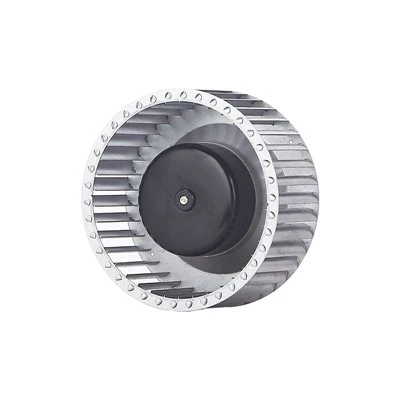
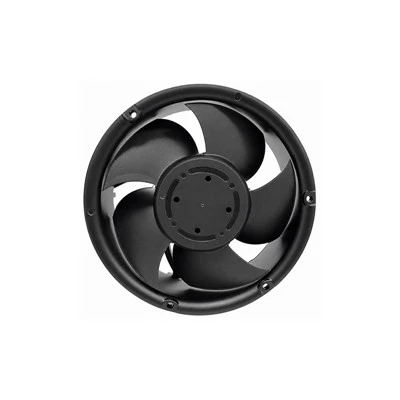
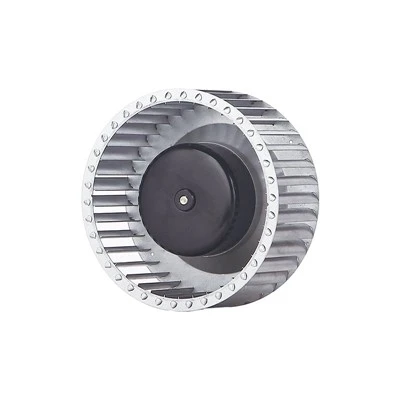
Centrifugal fans are critical components in industrial, commercial, and residential systems, offering tailored solutions for airflow, pressure management, and ventilation. While the three primary types-Backward Curved Centrifugal Fan, Radial Fan, and Forward Curved Centrifugal Fan-form the foundation of their classification, understanding their nuanced design variations, operational parameters, and emerging technologies can help optimize system performance.
1. Core Types of Centrifugal Fans
1.1 Backward Curved Centrifugal Fans

Design & Efficiency:
Blades curve against the rotation direction, reducing turbulence and energy loss.
High aerodynamic efficiency (up to 85–90% in optimized designs) due to streamlined airflow
Often paired with Variable Frequency Drives (VFDs) in HVAC systems to adjust speed and save energy
Material Innovations:
Advanced models use coated or stainless-steel blades for corrosion resistance in harsh environments (e.g., chemical plants)
Applications:
Large-scale HVAC systems in data centers and hospitals.
Energy recovery ventilators (ERVs) for sustainable air recycling
1.2 Radial Fans
Robust Construction:
Straight radial blades withstand abrasive particles (e.g., wood chips, metal dust)
Heavy-duty variants use cast iron or polymer-coated impellers for high-temperature exhaust (e.g., foundries)
High-Pressure Capabilities:
Generate up to 15,000 Pa in industrial boilers and pneumatic conveying systems
Specialized Uses:
Explosion-proof designs with non-sparking materials for hazardous environments (e.g., oil refineries)
1.3 Forward Curved Centrifugal Fans

Low-Pressure Optimization:
Small, numerous blades create high airflow at low speeds, ideal for residential HVAC
Noise levels as low as 20–30 dB, suitable for hospitals and offices
Cost-Effective Designs:
Plastic or aluminum impellers reduce weight and manufacturing costs
Emerging Trends:
Integration with IoT-enabled sensors for real-time airflow monitoring in smart buildings
2. Extended Classifications & Design Variations
2.1 By Pressure Range:
Low-Pressure Fans (<50 Pa):
Forward-curved designs dominate for residential ventilation
Medium-Pressure Fans (50–3,000 Pa):
Backward-curved fans for commercial HVAC
High-Pressure Fans (3,000–15,000 Pa):
Radial blades in industrial processes like cement production
2.2 By Blade Geometry:
3D Curved Blades: Optimized for uniform pressure distribution and reduced flow separation (e.g., LG's plenum fans with 6.3% efficiency gains)
2.3 By Material:
FRP (Fiberglass): Corrosion-resistant for chemical exhaust
PP (Polypropylene): Lightweight and acid-resistant in wastewater treatment
3. Advanced Engineering & Optimization
3.1 Performance Enhancements:
Multi-Objective Optimization: Algorithms balance blade number, stagger angle, and outlet width to maximize efficiency and reduce noise (e.g., G4-73 fan: 6.91% pressure increase)
Boundary Layer Control: Reduces friction losses by optimizing impeller flow channels
3.2 Smart Technologies:
VFD Integration: Adjusts pump/fan speed dynamically, cutting energy use by 30–50% in HVAC systems
AI-Driven Predictive Maintenance: Detects wear in real-time using vibration and pressure sensors
4. Industry-Specific Applications
Healthcare: Centrifugal pumps in ECMO devices (e.g., Terumo's SP-200 controller for blood oxygenation)
Semiconductor Manufacturing: Ultra-clean fans with HEPA filters to prevent particulate contamination
Renewable Energy: High-pressure fans in hydrogen fuel cell ventilation.
5. Selection Criteria: Beyond Basic Parameters
Operational Environment:
Corrosive gases → Stainless steel radial fans
High temperatures → Ceramic-coated impellers
Energy Standards:
Compliance with AMCA 210 for airflow certification
Lifecycle Costs:
Backward-curved fans offer long-term savings despite higher upfront costs
6. Conclusion
Centrifugal fans are evolving with advancements in materials, smart controls, and aerodynamic design. Whether optimizing airflow in a smart building, managing toxic fumes in a chemical plant, or enhancing medical life-support systems, selecting the right fan type-backward-curved, radial, or forward-curved-requires a holistic view of pressure needs, environmental challenges, and energy goals. For cutting-edge solutions, explore innovations from centrifugal fan manufacturers like Pbmmf. By leveraging these insights, industries can achieve unparalleled efficiency, durability, and adaptability in their ventilation systems.