Introduction
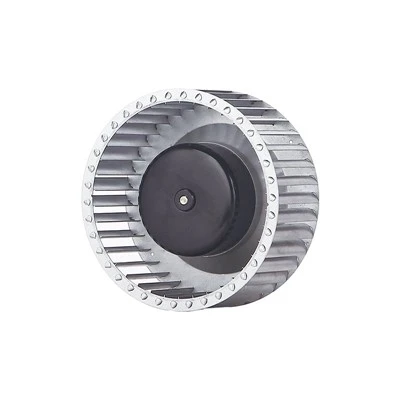
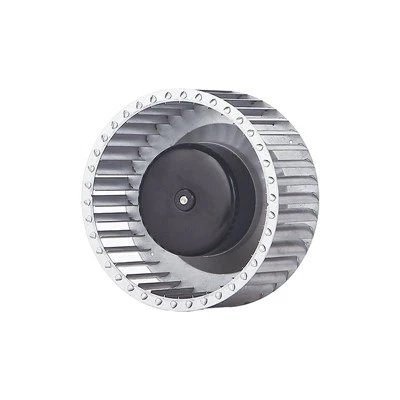
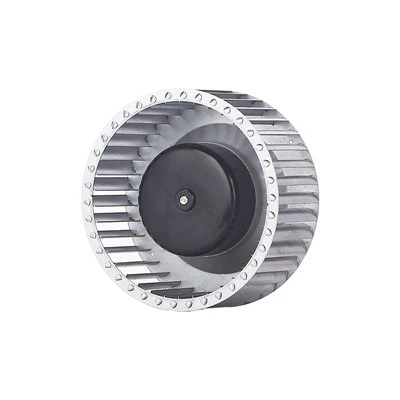
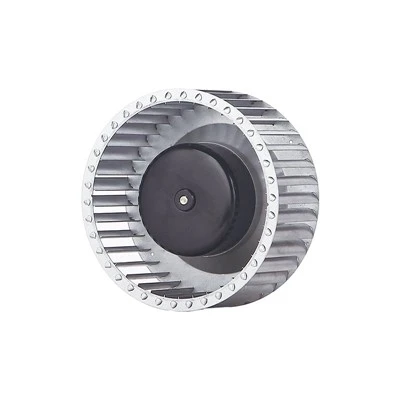
Centrifugal fans are widely used across a variety of industries, from HVAC and air purification systems to refrigeration, automotive, and industrial machinery. Known for their ability to move air efficiently in high-pressure environments, these fans offer distinct advantages-but they also come with certain drawbacks depending on the application.
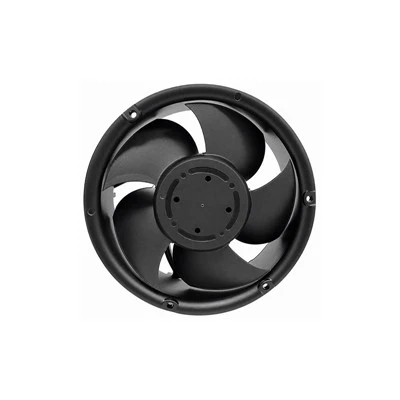
In this article, we'll dive deep into the pros and cons of centrifugal fans, helping engineers, facility managers, OEM designers, and B2B buyers understand whether they are the right choice for your system. We'll also explore different types of centrifugal fans, common applications, and the difference between centrifugal and axial fans.
Types of Centrifugal Fans:
Backward Curved Centrifugal Fans
Forward Curved Centrifugal Fans
Radial Blade Fans
Centrifugal Fans with Support Bracket
Single Inlet and Dual Inlet Blowers

Pros of Centrifugal Fans
1. High Pressure Performance
Centrifugal fans are ideal for applications requiring high static pressure. Their impeller design allows them to push air through filters, ductwork, and resistance-heavy systems.
Use Case: Air filtration, fume extraction, HVAC systems.
2. Stable and Constant Airflow
These fans provide a stable, continuous airflow, even under variable system resistance. This makes them well-suited for systems where pressure drops or blockages may occur.
3. Energy Efficiency with EC Technology
When integrated with Electronically Commutated (EC) motors, centrifugal fans become highly energy-efficient, offering up to 70% energy savings over traditional AC fan systems.
4. Durable and Long Service Life
The sturdy construction and sealed motor design make centrifugal fans highly durable. They often operate with low maintenance over extended lifespans, especially models with brushless EC motors.
5. Compact and Customizable Design
Centrifugal fans are available in a variety of form factors and sizes, including low-profile units and custom-molded housings, making them ideal for integration in confined spaces.
6. Low Noise at High Resistance
Unlike axial fans, which get louder when resistance increases, centrifugal fans operate more quietly under load, a valuable trait for noise-sensitive applications like medical equipment and HVAC in offices.
7. Versatile Applications
Centrifugal fans are used in:
Ventilation and Air Conditioning
Medical Devices
Cold Chain and Refrigeration
Electronics Cooling
Automobile HVAC Systems
Industrial Dust Collection
Cons of Centrifugal Fans
1. Larger Footprint Compared to Axial Fans
Centrifugal fans typically require more space for housing and ducting due to their radial airflow direction and impeller size.
Consideration: Not suitable for ultra-slim or portable equipment.
2. More Complex Design and Installation
They require more precise design and installation, especially when ductwork must accommodate 90-degree airflow redirection. Incorrect ducting can reduce system efficiency.
3. Higher Initial Cost
The cost of centrifugal fans-especially EC centrifugal fans-tends to be higher than axial fans due to advanced components and housing.
ROI Note: Long-term energy savings often offset the upfront cost.
4. Heavier and Less Mobile
The robust construction and use of metal components can make these fans heavier, limiting use in mobile applications unless specifically designed for portability.
5. Potential for Dust Build-up
In dust-prone environments, forward-curved centrifugal fans may experience impeller clogging, requiring periodic cleaning or filtration pre-treatment.
Centrifugal Fans vs Axial Fans: Which to Choose?
| Feature | Centrifugal Fans | Axial Fans |
|---|---|---|
| Airflow Direction | Radial (90°) | Axial (Straight-through) |
| Static Pressure | High | Low |
| Energy Efficiency (with EC motor) | High | Moderate |
| Noise Under Resistance | Low | High |
| Size | Larger | More Compact |
| Applications | HVAC, industrial, medical | General ventilation, cooling towers |
Key Takeaway: Choose centrifugal fans for high-pressure systems and where reliability and energy savings are priorities. Axial fans are better for free-airflow applications and where space is limited.
How to Select the Right Centrifugal Fan
When choosing a centrifugal fan for your project, consider the following factors:
1. Airflow (CFM or m³/h)
Determine how much air volume the fan must move per minute. Higher CFM typically means a larger or faster fan.
2. Static Pressure
Evaluate the resistance in your duct system or enclosure. Centrifugal fans are ideal for high-resistance systems.
3. Environmental Conditions
Choose IP-rated fans like PBM Waterproof IP55 Fans for harsh or wet environments.
4. Noise Requirements
Use backward-curved impellers or EC fans for low-noise performance.
5. Space Constraints
Measure your available installation space and select compact or low-profile options if needed.
6. Power Supply and Control
EC fans can be easily integrated with PWM or analog speed control, making them suitable for automated systems and IoT-connected platforms.
Why Choose PBM Centrifugal Fans?
PBM is a professional manufacturer of EC brushless motor and fan solutions with a global presence in over 50 countries. We provide:
Customized EC centrifugal fans
Global online support
Quick-response technical consultation
Wide product range: Forward/Backward Curved, Dual Inlet, Duct Fans, etc.
High-quality production with ISO and CE standards
Conclusion
Centrifugal fans are a reliable and efficient air-moving solution, especially for high-pressure applications in industrial, HVAC, medical, and commercial environments. While they have some limitations in terms of size and complexity, their benefits in performance, durability, and energy efficiency often outweigh these disadvantages-particularly when powered by advanced EC motors.
Whether you're an OEM looking for reliable components or a facility manager seeking energy-saving upgrades, understanding the pros and cons of centrifugal fans will help you make an informed, cost-effective choice.