In the world of industrial ventilation and cooling, two of the most common air-moving devices are centrifugal blowers and axial fans. While they both serve the same basic function-moving air-their internal mechanisms, performance characteristics, and application scenarios differ significantly. If you're an engineer, OEM buyer, or procurement specialist looking to make the right choice for your project, understanding the differences between centrifugal blowers and axial fans is critical.
In this article, we'll compare centrifugal blowers vs axial fans across multiple dimensions: design, airflow direction, pressure capabilities, efficiency, noise level, typical applications, and more.
1. What Is a Centrifugal Blower?
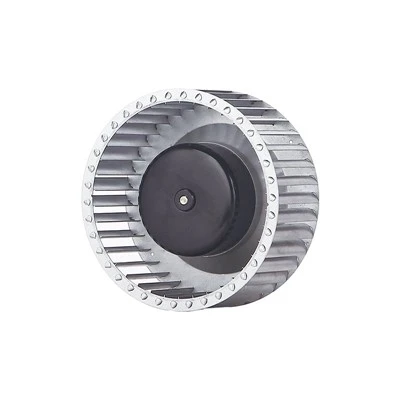
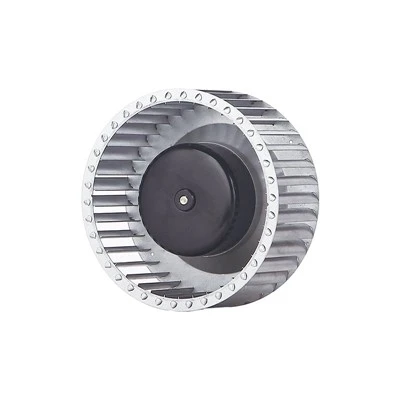
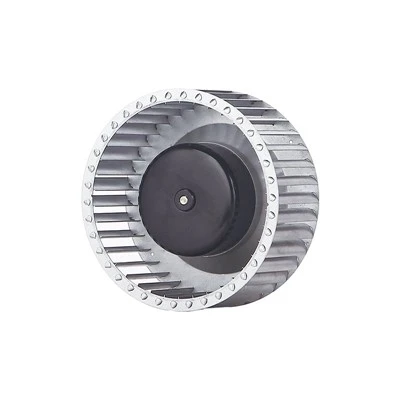
A centrifugal blower (also called a centrifugal fan) moves air by converting rotational kinetic energy into airflow. It draws air into the center of a rotating impeller and expels it at a 90-degree angle outward via centrifugal force.
Key Characteristics:
Radial or tangential airflow
Higher static pressure capability
Ideal for ducted systems
Typically larger and heavier

2. What Is an Axial Fan?
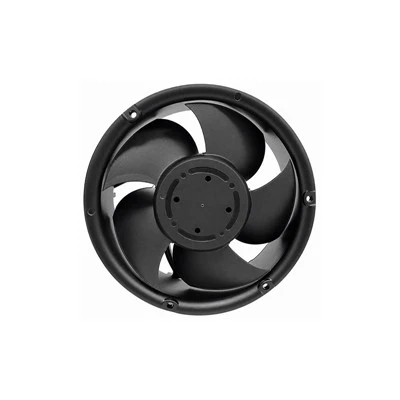
An axial fan moves air parallel to the shaft around which the blades rotate. Air enters and exits the fan in a straight line, similar to how a propeller works.
Key Characteristics:
Linear airflow
High airflow volume, low pressure
Compact and lightweight
Efficient in open spaces or low-resistance applications

3. Centrifugal Blower vs Axial Fan: Comparison Table
| Feature | Centrifugal Blower | Axial Fan |
|---|---|---|
| Airflow Direction | Perpendicular (90° angle) | Parallel (in-line) |
| Air Pressure | High static pressure | Low static pressure |
| Air Volume | Medium to high | High |
| Noise Level | Quieter at high pressure | Louder at high flow rates |
| Size & Weight | Generally larger and heavier | Compact and lightweight |
| Energy Efficiency | Moderate at high-pressure tasks | High efficiency at low-resistance flow |
| Application Suitability | HVAC, dust collection, industrial exhaust | Data centers, cooling towers, ventilation in open spaces |
| Cost | Generally more expensive | More cost-effective |
4. Applications of Centrifugal Blowers
Centrifugal blowers are ideal for scenarios where resistance to airflow is high, such as:
HVAC duct systems
Dust and fume extraction
Combustion air supply
Cleanrooms and filtering units
Industrial drying systems
Boiler blowers
Their ability to handle high-pressure environments makes them indispensable in many industrial facilities.
5. Applications of Axial Fans
Axial fans are preferred when large volumes of air need to be moved with minimal resistance, such as:
Server room and data center cooling
Condenser units in refrigeration
Cooling towers
Tunnel and subway ventilation
Agricultural and greenhouse ventilation
Spot cooling for motors or generators
They offer simplicity and cost-efficiency, especially in open-space or low-pressure applications.
6. How to Choose Between a Centrifugal Blower and an Axial Fan
Choosing the right fan type depends on several factors:
6.1 Static Pressure Requirements
High static pressure → Choose a centrifugal blower
Low resistance environment → Use an axial fan
6.2 Air Volume Needs
Need high air volume with minimal pressure? → Axial fan
Need moderate volume with high pressure? → Centrifugal blower
6.3 Space Constraints
Limited installation space? → Go for axial
More room for mounting and noise control? → Consider centrifugal
6.4 Noise Considerations
Need quieter performance at higher pressures? → Centrifugal blower is generally quieter
Axial fans may require additional mufflers or silencers
7. Which One Is Better?
There is no universal "better" option-only the one that fits your specific application:
For long duct systems, filtration units, or high-resistance flows, go with a centrifugal blower
For general ventilation, cooling, and open-air movement, an axial fan is usually sufficient
8. Partner with a Reliable Manufacturer
Whether you're sourcing axial fans or centrifugal blowers, working with a trusted ventilation equipment supplier ensures product quality, performance reliability, and long-term support. Look for features like:
Custom design capabilities
High-efficiency EC or AC motors
Compliance with ISO, CE, or UL standards
After-sales service and technical support
9. Conclusion
Understanding the differences between centrifugal blowers and axial fans is key to selecting the right air-moving solution for your industrial or commercial environment. While axial fans excel in high-volume, low-pressure applications, centrifugal blowers dominate where static pressure and airflow control are critical.
Need help choosing the best fan for your project? Contact us today to discuss your application-we offer a full range of high-quality axial and centrifugal fans tailored to your industry needs.