FOCUS ON EC FAN ONLY
FOCUS ON EC FAN ONLY
Industrial spaces, such as factories, warehouses, and manufacturing plants, require proper ventilation to ensure a safe, efficient, and healthy environment for workers. The right industrial ventilation system can help control temperature, remove harmful airborne particles, and regulate humidity, ultimately boosting productivity and maintaining safety standards.
Choosing the right industrial ventilation fan for your specific needs is crucial, as it directly impacts air quality, energy consumption, and overall system performance. In this article, we will discuss the essential features to consider when selecting industrial ventilation fans, focusing on key aspects such as performance, energy efficiency, and safety.
One of the most important features of any mechanical ventilation fan is its airflow capacity, measured in cubic feet per minute (CFM). The CFM rating tells you how much air the fan can move in a minute, which directly impacts the effectiveness of the ventilation system.
Higher CFM for Larger Spaces: Industrial environments often involve large, open spaces with high volumes of air. For larger areas such as factories or warehouses, you'll need a high-CFM fan to ensure that stale or contaminated air is replaced with fresh air quickly. This is especially important in environments where dust, fumes, or heat can build up rapidly.
Proper Fan Size: Selecting a fan with the right CFM for your space is vital for ensuring efficient air circulation. If the fan is too small, it won’t provide enough airflow to ventilate the space effectively, leading to poor air quality. Conversely, an oversized fan may result in higher operational costs.
Energy consumption is a significant consideration in industrial ventilation. Since ventilation fans are often required to run continuously or for extended periods, choosing an energy-efficient industrial fan can lead to substantial cost savings over time.
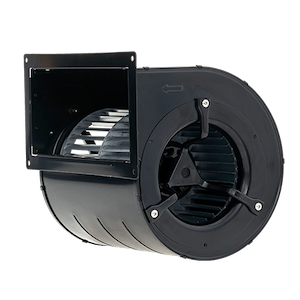
EC Motors (Electronically Commutated Motors): Many modern industrial ventilation fans come equipped with EC motors. These motors are designed to consume less energy while providing optimal performance. EC motors adjust their speed based on demand, reducing energy use during times of low airflow needs.
Variable Speed Control: Fans with variable speed control offer greater energy savings by allowing you to adjust the fan speed based on environmental conditions. For example, if the ventilation demand is low, the fan can run at a slower speed, reducing energy consumption without compromising air quality.
Industrial ventilation fans are exposed to harsh environments, including high temperatures, humidity, chemicals, and dust. Therefore, durability is a key feature to look for when selecting the right fan for your industrial space.
Corrosion-Resistant Materials: Choose fans made from durable materials, such as stainless steel or coated metals, that can withstand exposure to chemicals, moisture, and other harsh elements common in industrial environments. These materials ensure that the fan lasts longer, even in corrosive or high-humidity areas like warehouses, production floors, or chemical plants.
Heavy-Duty Construction: Look for fans designed with heavy-duty construction to handle the rigorous demands of industrial environments. Fans that are built with reinforced frames and tough components will deliver consistent performance even in the most challenging conditions.
Noise pollution in industrial settings can affect worker comfort and productivity. Continuous exposure to loud fan noise can lead to hearing damage and contribute to a stressful work environment.
Low-Noise Design: Modern industrial ventilation fans are engineered with noise reduction features, such as sound-absorbing materials and vibration dampening mounts. These features minimize operational noise, ensuring that workers are not disturbed by the ventilation system. This is particularly important in spaces like offices, laboratories, or cleanrooms, where noise levels must be kept to a minimum.
Vibration Isolation: Vibrations from fans can contribute to noise and also affect the fan’s longevity. Ensure that the fan is designed to minimize vibrations, which will enhance both the performance and lifespan of the system.
Safety is a top priority in industrial environments, and the ventilation system plays a critical role in maintaining a safe and healthy workspace. Industrial ventilation fans should be designed with features that help improve safety for workers.
Overload Protection: Some mechanical ventilation fans come with overload protection, which prevents the motor from burning out in case of excessive load. This feature ensures that the fan continues to operate safely without risk of damage.
Fire Safety Features: In industrial environments where heat and sparks are common (such as in factories dealing with combustible materials), look for fans with fire-resistant housing and spark-proof motors to ensure that the fan system does not pose a fire risk.
Compliance with Standards: Ensure the fan you choose complies with industry-specific safety standards, such as ATEX certification for explosive environments or UL certification for electrical safety.
In any industrial setting, downtime can be costly. Therefore, selecting a fan that is easy to install, operate, and maintain is essential.
Simple Installation: Industrial fans should come with clear installation instructions and mounting options that make setup quick and hassle-free. Some fans are designed to be plug-and-play, meaning they require minimal effort to install and start operating.
Low Maintenance Requirements: Opt for fans with easy-to-clean designs and features that reduce the need for frequent repairs or maintenance. For example, fans with self-lubricating motors or those with dust-resistant filters can help minimize maintenance costs and keep the fan running efficiently for longer.
Every industrial space is different, and the ventilation needs can vary greatly depending on the size of the space, the nature of the work, and the number of workers. A versatile industrial fan can adapt to various conditions and can be used in different applications.
Flexible Mounting Options: Some industrial ventilation fans come with adjustable mounting options that allow them to be easily installed on walls, ceilings, or floors, providing flexibility in terms of positioning.
Customizable Airflow Direction: Some fans offer features such as adjustable louvers or dampers, allowing you to direct airflow precisely where it’s needed, ensuring maximum efficiency.
For industrial spaces that require constant monitoring of air quality or temperature, choosing a fan that is compatible with building automation systems (BAS) can offer added benefits.
Automated Control: Look for fans that integrate with sensors and automated control systems to adjust the fan speed based on real-time environmental data. This allows the system to adjust automatically to changes in air quality, temperature, and humidity, ensuring optimal ventilation without manual intervention.
Selecting the right industrial ventilation fan for your workspace is crucial for maintaining air quality, improving worker safety, and boosting overall efficiency. By considering essential features such as airflow capacity, energy efficiency, durability, and safety, you can ensure that your ventilation system meets the specific needs of your industrial environment.
Investing in high-quality mechanical ventilation fans will not only improve air circulation and temperature regulation but also contribute to the overall productivity and well-being of your workforce. Remember, the right fan can make all the difference in creating a safe, comfortable, and efficient industrial space.
 If you have any interest in our products,please feel free to contact us & we are ready to serve you

By continuing to use the site you agree to our privacy policy Terms and Conditions.