

All Rights Reserved Privacy Policy Site Map
FOCUS ON EC FAN ONLY
FOCUS ON EC FAN ONLY
Cold storage facilities are crucial for maintaining the quality and safety of perishable goods. Proper ventilation is essential in these environments to ensure temperature stability, prevent the buildup of harmful gases, and maintain optimal conditions for food preservation. In this article, we will discuss how to select the right ventilation fans for cold storage and food preservation, focusing on the specific needs of these facilities and the role of ventilation in ensuring food safety and efficiency.
Ventilation is an often-overlooked aspect of cold storage systems, yet it plays a significant role in maintaining the integrity of perishable items such as fruits, vegetables, meats, and dairy products. Here's why proper cold storage ventilation is crucial:
Temperature Regulation: Ventilation fans help maintain a constant temperature within cold storage units. Without proper airflow, cold air can stagnate, leading to temperature inconsistencies, which can affect the preservation of stored goods. Proper air circulation ensures that cool air reaches every part of the storage space, keeping temperatures even throughout the room.
Moisture Control: Excess moisture in cold storage areas can lead to condensation, which can result in mold growth and spoilage of food. By using the right cold room ventilation fans, moisture can be effectively managed, keeping the storage area dry and preventing damage to stored items.
Air Quality: Cold storage rooms can accumulate harmful gases such as carbon dioxide, which may result from food respiration or machinery operation. Ventilation fans help expel these gases and bring in fresh air, ensuring that the environment remains safe for both the products and anyone working inside the facility.
Preventing Ethylene Buildup: Some fruits and vegetables emit ethylene gas, which can accelerate ripening and spoilage. Proper ventilation ensures that this gas is efficiently removed, helping extend the shelf life of these sensitive products.
When choosing ventilation fans for cold storage and food preservation, it’s important to take several factors into account to ensure that the fans meet the specific needs of the facility. Here are the main considerations:
The primary function of a cold storage ventilation fan is to circulate air effectively. Therefore, fan capacity and airflow are crucial factors in the selection process. The required airflow depends on several factors, such as the size of the room, the type of products stored, and the specific temperature requirements.
Fan Size: Larger cold storage rooms or facilities with high volumes of perishable goods will require larger ventilation fans or multiple units to maintain adequate airflow.
Air Exchange Rate: The rate at which air is exchanged in the cold storage room is essential for preventing temperature fluctuations and maintaining ideal conditions for food preservation. This is typically measured in air changes per hour (ACH).
There are several types of ventilation fans available, each with its specific use case in cold storage. Here are the most common:
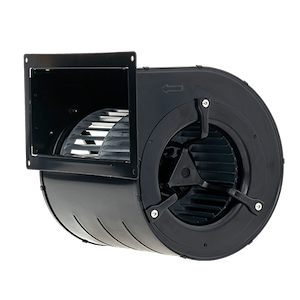
Centrifugal Fans: These are ideal for providing high-pressure airflow and are commonly used in cold storage environments. They can handle the resistance of long ducting and ensure that air is evenly distributed throughout the space.
Axial Fans: Axial fans are more suitable for applications that require lower pressure but higher airflow rates. They are often used for smaller cold storage rooms or as exhaust fans to expel warm air.
Inline Fans: These fans are compact and can be installed in-line within ventilation ducts to maintain consistent airflow. They are commonly used in areas where space is limited or when ductwork needs to be kept to a minimum.
Energy efficiency is critical in cold storage operations due to the high cost of maintaining low temperatures. Look for energy-efficient ventilation fans designed to minimize electricity usage while still providing optimal airflow. EC (Electronically Commutated) motors are a popular option, as they are known for their high efficiency and ability to adjust their speed based on the cooling needs.
Using energy-efficient fans can significantly reduce operational costs, making it an important consideration for businesses that want to lower their energy consumption while maintaining a high level of food safety and preservation.
Cold storage environments often involve exposure to moisture and low temperatures, which can lead to fan corrosion over time. To ensure long-lasting performance, select fans that are made from durable, corrosion-resistant materials such as stainless steel or galvanized steel. This is especially important in environments with high humidity, where the risk of rust and corrosion is elevated.
In cold storage facilities, noise levels should be kept to a minimum to ensure a comfortable working environment. When selecting a cold room ventilation fan, choose models that operate quietly. Look for low-noise fans that are designed to minimize vibration and sound while still providing efficient airflow.
As mentioned, managing moisture is crucial for food preservation in cold storage. Some cold storage ventilation fans come with integrated humidity control features, such as humidity sensors or dehumidifying capabilities. These fans are especially useful in environments where the temperature fluctuates or during the warmer months when humidity levels are high.
Temperature Control: It’s essential to ensure that the ventilation system is designed to complement the refrigeration system in the cold storage facility. The ventilation fans should not interfere with the cooling system but work in tandem to maintain the desired temperature.
Air Distribution: Proper airflow is essential in ensuring that air circulates evenly throughout the cold storage room. Fans should be strategically placed to ensure that every corner of the storage area is properly ventilated, particularly when dealing with large, multi-chambered facilities.
Choosing the right ventilation fans for cold storage and food preservation is a critical decision that impacts both the quality of the stored products and the efficiency of the storage facility. By considering factors such as fan capacity, type, energy efficiency, and durability, you can select the best cold storage ventilation fans to maintain optimal temperature and humidity conditions.
At PBM, we offer a wide range of high-quality cold room ventilation fans that meet the specific needs of the food industry, ensuring the safety and quality of your perishable goods. Whether you're looking for high-efficiency centrifugal fans or corrosion-resistant models, our products provide reliable and effective solutions for cold storage applications.
Contact us today to learn more about our cold storage ventilation fan options and how they can help improve your food preservation process.
 If you have any interest in our products,please feel free to contact us & we are ready to serve you

By continuing to use the site you agree to our privacy policy Terms and Conditions.