FOCUS ON EC FAN ONLY
FOCUS ON EC FAN ONLY
Industrial environments, such as factories, warehouses, and manufacturing plants, demand ventilation solutions that can effectively handle large volumes of air while withstanding harsh operating conditions. Choosing the right industrial ventilation fans is crucial for maintaining optimal air quality, ensuring the safety of workers, and improving overall operational efficiency. In this article, we will review industrial-grade ventilation fans and explore how they cater to the heavy-duty needs of high-demand industrial applications.
Industrial facilities are often filled with machinery that generates heat, dust, fumes, and other airborne pollutants, which can negatively affect both the work environment and the health of employees. Proper ventilation plays a vital role in controlling these factors. Here’s why industrial ventilation is indispensable:
Temperature Regulation: Heavy-duty machinery and equipment can generate significant heat, making the environment uncomfortable and unsafe. Industrial ventilation fans help maintain a stable and comfortable temperature by promoting air circulation and expelling hot, stale air.
Air Quality Improvement: Industrial spaces, especially factories and warehouses, often deal with airborne contaminants, including chemical fumes, particulate matter, and exhaust gases. Ventilation systems equipped with industrial roof ventilation fans or other high-capacity models ensure that harmful substances are expelled from the space, protecting workers from respiratory issues.
Moisture Control: Excess moisture from manufacturing processes, condensation, or external weather conditions can cause problems like rust, mold, and equipment failure. Effective ventilation helps control moisture levels, reducing the risk of equipment damage and ensuring long-term operational efficiency.
Safety Compliance: Many industries are subject to regulations that require proper ventilation to minimize health risks and prevent the buildup of dangerous gases or toxins. The use of industrial-grade ventilation fans helps facilities stay compliant with workplace safety standards and regulations.
When selecting industrial ventilation fans for heavy-duty applications, there are several critical factors to consider. These factors ensure that the fans not only provide effective air circulation but also withstand the demanding conditions typically found in industrial environments.
Industrial ventilation fans come in various types, each suitable for different environments and needs. Here are the most common options:
Centrifugal Fans: These fans are widely used in industrial applications because of their ability to handle high-pressure airflow and move large volumes of air. Centrifugal fans(Backward Curved Centrifugal Fan, Forward Curved Centrifugal Fan) are ideal for environments where air needs to be forced through ducting or obstacles, such as long ventilation shafts or areas with restricted space.
Axial Fans: Axial fans are designed to move air efficiently in a straight line. They are well-suited for applications where lower pressure is acceptable and large volumes of air need to be moved quickly. They are often used in warehouses or factories with open spaces.
Roof Ventilation Fans: Industrial roof ventilation fans are commonly used to expel hot air, fumes, and smoke from factory roofs. These fans can be mounted on the roof to take advantage of natural convection, helping to draw in cooler air and expel hot air.
Exhaust Fans: For environments dealing with heavy fumes, vapors, or chemicals, exhaust fans are critical. These fans are designed to remove contaminated air from the building, improving air quality and safety.
Airflow capacity is one of the most important factors in selecting an industrial ventilation fan. The size of the facility, the number of machines, and the intensity of operations determine the amount of air that needs to be circulated. To calculate the required airflow, consider the following:
CFM (Cubic Feet per Minute): The fan’s airflow capacity is typically measured in CFM, which indicates the volume of air the fan can move per minute. Larger spaces or areas with higher levels of contamination require fans with higher CFM ratings.
Air Changes per Hour (ACH): ACH refers to the number of times the air in a room is replaced in one hour. The recommended ACH varies based on the type of industrial application. For example, warehouses or factories with high heat loads may require a higher ACH rate than offices or retail environments.
In heavy-duty industrial applications, ventilation fans are exposed to extreme conditions such as high temperatures, humidity, dust, and corrosive substances. Therefore, the material construction and durability of the fan are essential factors to consider. Look for industrial ventilation fans made from:
Corrosion-Resistant Materials: Stainless steel or coated metals are ideal for environments where moisture or chemical exposure is prevalent. These materials help prevent rust and corrosion, ensuring that the fans last longer without frequent maintenance.
Heat Resistance: High-performance industrial ventilation fans should be capable of withstanding elevated temperatures, especially in factories where heat is generated by machinery and equipment. Choose fans with motors and materials that are heat-resistant to maintain performance over time.
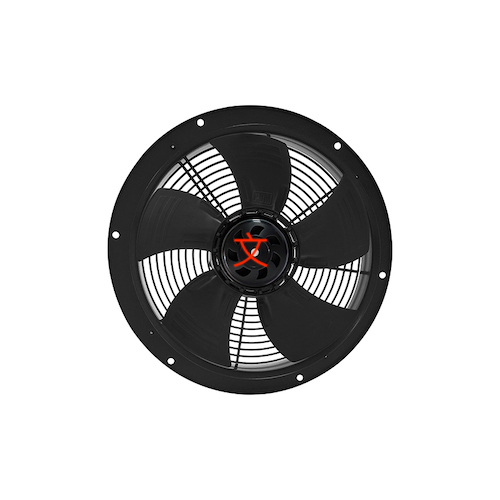
Energy efficiency is an essential consideration for large-scale industrial operations. The energy consumption of industrial ventilation fans can represent a significant portion of a factory or warehouse’s operating costs. Look for fans equipped with EC (Electronically Commutated) motors, which are known for their high efficiency and ability to adjust motor speeds based on airflow needs, thus reducing energy consumption without compromising performance.
Additionally, variable-speed motors can help optimize energy use, adjusting the fan’s speed based on the temperature and air quality demands of the environment.
While industrial facilities are often noisy, excessive fan noise can add to the discomfort and negatively impact workers' health and productivity. When selecting ventilation fans, consider those that operate quietly, especially if the space has noise-sensitive areas. Low-noise fans with sound-dampening features are ideal for maintaining a safe and comfortable environment.
In industrial settings, equipment downtime can lead to production delays and increased costs. Therefore, it’s essential to choose industrial ventilation fans that require minimal maintenance and are built for longevity. Opt for models that feature:
Self-lubricating motors
Sealed bearings
Easy-to-clean designs
These features will ensure that the fans continue to operate efficiently, reducing the need for frequent maintenance and repairs.
The versatility of industrial ventilation fans makes them suitable for a variety of heavy-duty applications, including:
Factories: To improve air quality and reduce the buildup of heat, dust, and fumes generated by manufacturing processes.
Warehouses: For maintaining proper airflow and temperature control in large storage spaces.
Chemical Plants: To exhaust hazardous fumes and chemicals, ensuring worker safety and compliance with regulations.
Mining Operations: To provide fresh air circulation in underground mines and prevent the buildup of dangerous gases.
Choosing the right industrial ventilation fans for heavy-duty applications is critical for maintaining a safe and efficient working environment. By considering factors such as fan type, airflow capacity, durability, energy efficiency, and noise levels, industrial facilities can ensure that their ventilation systems meet the demands of high-performance environments.
At PBM, we offer a wide range of industrial roof ventilation fans and industrial-grade ventilation solutions designed to withstand the harshest conditions and improve air quality in heavy-duty industrial applications. Our fans are built to last, providing reliable performance to help you maintain a safe, comfortable, and energy-efficient work environment.
Contact us today to learn more about our industrial ventilation fans and how they can help optimize your facility’s ventilation system.
 If you have any interest in our products,please feel free to contact us & we are ready to serve you

By continuing to use the site you agree to our privacy policy Terms and Conditions.