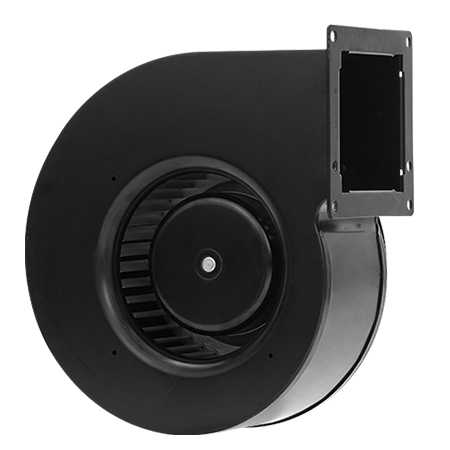
FOCUS ON EC FAN ONLY
FOCUS ON EC FAN ONLY
In recent years, axial fan technology has evolved significantly, driven by the growing demand for energy efficiency, precision, and smarter control in various industries. Modern axial fans are no longer just about air circulation—they are equipped with advanced features that optimize performance, reduce energy consumption, and offer better control for operators. Among the most prominent developments are variable speed control, energy-efficient EC (electronically commutated) motors, and smart, IoT-connected axial fans. In this article, we will explore these cutting-edge technologies and how they are reshaping the landscape of axial fan applications.
Variable speed axial fans allow users to adjust the fan's speed in real-time, providing the flexibility to meet changing airflow requirements. This advanced feature is particularly valuable in industries where airflow demands fluctuate throughout the day or seasonally. Instead of running the fan at a constant speed, which can lead to wasted energy, variable speed control adjusts the fan's rotation speed according to the specific needs of the environment.
Energy Efficiency: Running the fan at a lower speed when full power is unnecessary reduces energy consumption. The fan can ramp up to full speed only when required, making it more energy-efficient than traditional fixed-speed fans.
Customizable Airflow: Different environments demand different airflow levels. Variable speed fans can easily adapt to these needs, providing the right balance of performance and energy use.
Prolonged Fan Lifespan: Slower speeds reduce wear and tear on the motor, extending the life of the fan and lowering maintenance costs.
For example, in applications such as ventilation systems for large commercial spaces or data centers, where airflow requirements change based on room temperature or equipment load, variable speed control ensures that the fan is always operating optimally.
One of the most significant innovations in modern axial fans is the integration of EC motors. These electronically commutated motors are far more energy-efficient compared to traditional AC motors. EC motors combine the benefits of DC (direct current) motors with the reliability of AC motors, offering precise control over fan performance and significantly reducing energy usage.
High Efficiency: EC motors offer higher efficiency, especially at partial loads. They adjust their power consumption based on the load, ensuring energy is only used when needed. In comparison, AC motors tend to consume power at a constant rate, regardless of load fluctuations.
Lower Operating Costs: With their energy efficiency, EC axial fans reduce electricity consumption, translating into significant cost savings over time. This is particularly beneficial in industries with high ventilation requirements, such as manufacturing, warehousing, and agriculture.
Reduced Heat Generation: EC motors generate less heat, which not only improves their lifespan but also minimizes the need for additional cooling systems.
Quiet Operation: EC motors run much quieter than traditional AC motors, making them ideal for sensitive environments like offices, hospitals, and data centers.
By implementing EC motors in axial fans, industries can significantly cut down on operational costs, improve overall system efficiency, and contribute to sustainability goals.
Smart axial fans represent the next step in fan technology, bringing connectivity and automation to ventilation systems. With the integration of IoT (Internet of Things) features, these fans can be monitored, controlled, and optimized remotely, offering unprecedented control over air movement and energy consumption.
Remote Monitoring: Smart fans are equipped with sensors and connectivity features that allow users to monitor the fan's performance from anywhere using a smartphone or computer. These systems can provide real-time data on airflow, energy consumption, and operational status, helping facility managers make informed decisions and respond quickly to issues.
Predictive Maintenance: Smart fans can alert users when maintenance is required, reducing the risk of downtime. By analyzing performance data, smart fans can predict potential failures and notify the maintenance team before issues arise. This proactive approach can save money on repairs and prevent major breakdowns.
Automated Control: Smart axial fans can be programmed to adjust automatically based on environmental conditions, such as temperature or humidity. This automation optimizes performance and ensures the fan is always working at peak efficiency, reducing manual intervention.
Energy Optimization: By integrating smart systems with existing building management systems (BMS) or energy management software, businesses can use data to optimize fan performance and reduce energy consumption, aligning with green building practices and energy-saving initiatives.
For industries such as smart homes, commercial buildings, and manufacturing, where monitoring and control are essential for operational efficiency, smart axial fans can provide invaluable insights and real-time data that improve both safety and performance.
One of the most beneficial aspects of modern axial fans is their ability to integrate with Building Management Systems (BMS). These systems allow for centralized control and monitoring of HVAC, lighting, and other infrastructure systems within a building.
Coordinated Operation: By connecting the fan with other environmental systems (like heating or cooling), the BMS can optimize the overall performance of the building’s ventilation. For example, when the temperature rises in a specific zone, the BMS can trigger the fan to speed up to increase air circulation.
Energy Savings: Integration ensures that the fan operates only when necessary, improving the overall energy efficiency of the building. BMS can turn off fans during non-peak hours or adjust their speed to reduce unnecessary energy consumption.
Centralized Control: Building operators can manage all ventilation systems from a single interface, making it easier to identify issues, perform diagnostics, and optimize system performance.
Looking to the future, axial fan technology is set to embrace the power of artificial intelligence (AI) and machine learning (ML). These technologies will enable fans to continuously learn from their environment and improve their efficiency over time. Fans will be able to predict the need for airflow adjustments based on historical data, weather forecasts, and real-time sensor inputs, creating fully optimized and autonomous ventilation systems.
Additionally, as energy efficiency regulations become more stringent, manufacturers are likely to continue improving the design and functionality of axial fans to comply with emerging standards while delivering more value to users.
The evolution of axial fan technology has been remarkable, with advancements like variable speed control, EC motors, and smart fan features leading the way. These innovations have dramatically improved the performance, efficiency, and flexibility of axial fans across various industries, offering users more control, reduced energy costs, and enhanced system reliability.
As industries and buildings move toward greater automation and energy efficiency, the integration of smart systems and advanced fan technologies will continue to play a central role in optimizing ventilation systems. For anyone looking to improve air circulation, reduce energy costs, and stay ahead of technological trends, investing in modern axial fans with these advanced features is the way forward.
 If you have any interest in our products,please feel free to contact us & we are ready to serve you

By continuing to use the site you agree to our privacy policy Terms and Conditions.