FOCUS ON EC FAN ONLY
FOCUS ON EC FAN ONLY
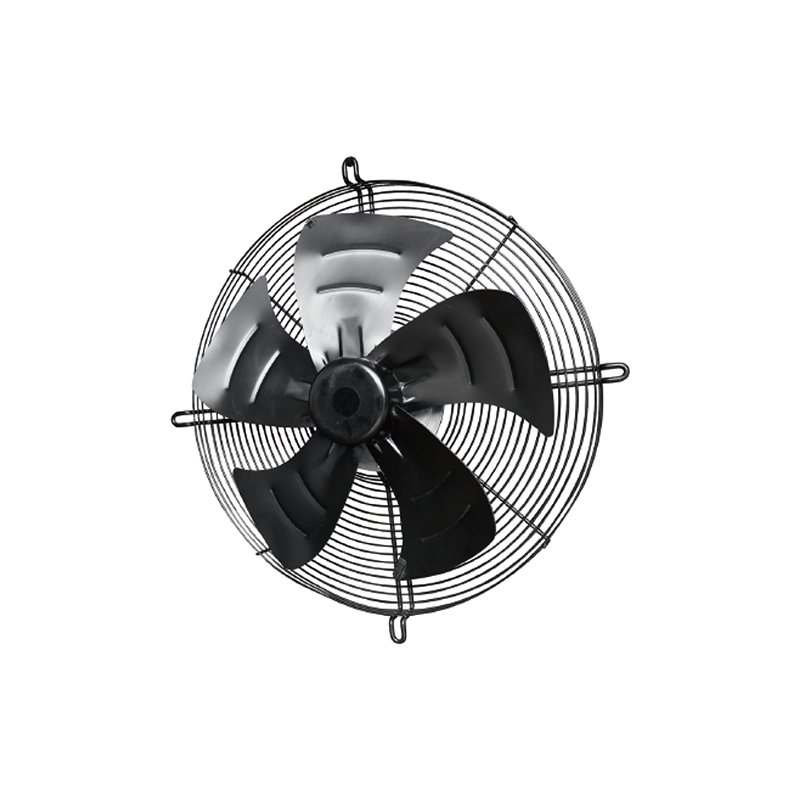
In the automotive industry, efficient cooling and air circulation are vital for maintaining performance, safety, and comfort. Axial fans play a crucial role in ensuring that vehicles run smoothly by supporting both engine cooling and cabin ventilation systems. These fans are designed to move large volumes of air with minimal resistance, making them ideal for various applications in automobiles, including engine cooling and HVAC (heating, ventilation, and air conditioning) systems. In this article, we'll explore the key functions of automotive axial fans, their role in cooling systems, and how they contribute to the overall performance and efficiency of vehicles.
One of the primary uses of axial fans in vehicles is in engine cooling systems. The engine generates substantial heat during operation, and if this heat is not properly dissipated, it can lead to overheating, decreased performance, and even catastrophic engine failure. To prevent this, axial fans are used to direct airflow across the radiator, cooling the engine and maintaining optimal operating temperatures.
Airflow Efficiency: Axial fans are designed to move large amounts of air through the radiator, efficiently transferring heat away from the engine. Their design allows for high airflow with relatively low energy consumption, which is crucial for the overall efficiency of the vehicle’s cooling system.
Variable Speed for Demand-Based Cooling: Some modern vehicles use variable speed axial fans that adjust their speed based on engine temperature. During low-load or idle conditions, the fan operates at a slower speed to save energy, while it increases speed when the engine temperature rises, ensuring that the engine remains within the optimal temperature range.
Cost-Effective Solution: Axial fans are an affordable and reliable option for engine cooling. They are easy to integrate into existing engine compartments and can be designed to fit within tight spaces without compromising airflow or cooling performance.
For example, in electric vehicles (EVs), where heat management is critical due to the battery systems, axial fans help maintain temperature regulation, preventing overheating that could impact battery life or efficiency.
Another critical application of axial fans in the automotive industry is in the HVAC system. These fans are responsible for circulating air through the vehicle’s cabin, ensuring a comfortable environment for passengers, and regulating temperature and humidity levels.
Cabin Ventilation: Axial fans circulate air throughout the cabin, helping to maintain a steady flow of fresh air. This is especially important in modern vehicles equipped with climate control systems that provide automatic temperature regulation and air filtration.
Defrosting and Dehumidification: In colder climates, maintaining clear visibility is essential for driver safety. Axial fans play a vital role in defrosting windows by directing airflow over the windshield and removing moisture, thus preventing fogging. Additionally, they help dehumidify the cabin, improving comfort by reducing excess moisture in the air.
Energy-Efficient Operation: Axial fans used in HVAC systems are designed to run efficiently with minimal power consumption. They ensure that the vehicle's air conditioning system operates optimally without straining the engine, contributing to better fuel efficiency and lower energy costs.
Enhanced Air Quality: Many modern vehicles use axial fans in conjunction with air filtration systems to maintain good cabin air quality. These fans help circulate air through filters that trap allergens, pollutants, and dust, making the driving environment more comfortable, especially for people with allergies or respiratory conditions.
One of the major advantages of axial fans in automotive applications is their compact design and lightweight nature. Automotive manufacturers are constantly looking for ways to reduce vehicle weight to improve fuel efficiency and overall performance. Axial fans, due to their simple yet effective design, can provide high airflow while taking up minimal space and adding negligible weight to the vehicle.
Space-Saving: Axial fans are well-suited for the compact spaces in vehicles, especially when it comes to engine cooling and HVAC units. Their design allows for efficient air movement in confined spaces, making them an ideal choice for modern cars, trucks, and EVs.
Lightweight for Fuel Efficiency: The lightweight nature of axial fans helps reduce the overall weight of the vehicle, which directly impacts fuel economy and battery efficiency in electric vehicles. This is particularly important for manufacturers aiming to meet environmental and energy efficiency standards.
Automotive axial fans are designed to operate in harsh environments, where they are exposed to extreme temperatures, vibrations, and potential contaminants such as dust and moisture. Durability is key, as these fans need to provide consistent performance over the life of the vehicle, often in demanding conditions.
Heat Resistance: Automotive axial fans are built to withstand the high temperatures present in engine compartments. Their materials are designed to resist the thermal stresses associated with engine cooling.
Vibration Resistance: Axial fans are often subjected to engine vibrations and road shocks. The robust construction of automotive axial fans ensures that they can operate reliably despite these forces.
Corrosion Resistance: Given the exposure to environmental factors such as moisture, salts, and pollutants, automotive axial fans are constructed using materials resistant to corrosion, ensuring longevity and reliability throughout the vehicle’s lifespan.
With the automotive industry increasingly focusing on electrification and smart technologies, the role of axial fans is evolving. New advancements in electric vehicle cooling, automated climate control, and IoT-connected systems are enhancing the efficiency and control of axial fans.
For example, in electric vehicles (EVs), axial fans are integrated with the battery management system to maintain optimal battery temperature. Additionally, some advanced vehicles use smart fans that adjust their speed based on real-time temperature data, ensuring that cooling is provided only when necessary and minimizing energy consumption.
Axial fans are indispensable components in the automotive cooling and HVAC systems, providing essential support for both engine cooling and passenger comfort. Their ability to deliver high airflow, efficient cooling, and energy savings make them a reliable choice for the automotive industry. Whether it’s for engine temperature regulation, cabin ventilation, or the growing needs of electric vehicles, axial fans are playing a crucial role in enhancing vehicle performance, reducing energy consumption, and ensuring passenger comfort. As the automotive industry continues to evolve with technological advancements, the role of axial fans will remain integral to achieving higher efficiency and better overall vehicle performance.
 If you have any interest in our products,please feel free to contact us & we are ready to serve you

By continuing to use the site you agree to our privacy policy Terms and Conditions.