FOCUS ON EC FAN ONLY
FOCUS ON EC FAN ONLY
In a commercial kitchen, maintaining proper airflow is essential for both the comfort and safety of employees, as well as for meeting local health and safety regulations. Ventilation fans are a critical part of the overall kitchen system, helping to remove smoke, heat, grease, and odors, ensuring that air quality remains high and working conditions are safe. Whether you're setting up a new kitchen or upgrading an existing one, choosing the right commercial kitchen ventilation fan is crucial for optimal performance, efficiency, and regulatory compliance.
In this article, we will discuss the key factors to consider when selecting the best ventilation fans for your commercial kitchen, focusing on air quality, safety, efficiency, and overall functionality.
Proper ventilation in a commercial kitchen is essential for several reasons:
Air Quality: Kitchens produce large amounts of heat, smoke, and grease from cooking processes. Without adequate ventilation, these can build up, affecting the air quality and creating an uncomfortable work environment.
Health and Safety: Poor air circulation can contribute to hazardous conditions, including increased risk of respiratory issues, fire hazards, and accidents. Grease-laden vapors can settle on surfaces, increasing the risk of fires. Ventilation fans help remove these hazards by constantly circulating and filtering the air.
Compliance with Regulations: Commercial kitchens are required by law to maintain certain air quality and safety standards. Many local health and safety regulations require that kitchens have proper ventilation systems in place to protect both employees and customers.
When selecting a commercial kitchen ventilation fan, there are several important factors to take into account to ensure the system meets your specific needs. Here's a guide to help you make the best choice for your business:
The airflow capacity of a ventilation fan is a key factor in determining how effective it will be in maintaining proper ventilation in your kitchen. The higher the CFM (Cubic Feet per Minute) rating, the more air the fan will be able to circulate, removing smoke, heat, and grease more effectively.
How to calculate airflow capacity:
The airflow capacity needed for a commercial kitchen is based on several factors, including kitchen size, the type of cooking equipment used, and the volume of food prepared.
For instance, grills, deep fryers, and ovens produce more heat and smoke than a stove or microwave, requiring a fan with higher CFM ratings.
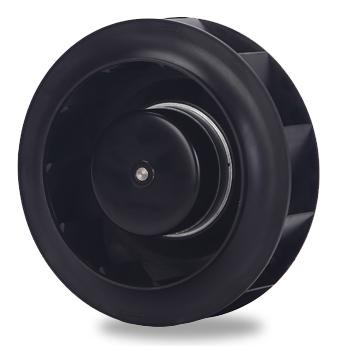
Exhaust fans are the most common type used in commercial kitchens, as they are responsible for removing hot air, smoke, odors, and grease from the kitchen. They typically vent the air outside the building, ensuring that contaminants do not remain within the workspace.
Supply fans, on the other hand, bring fresh air into the kitchen from outside. These are usually used in combination with exhaust fans to ensure balanced airflow, maintaining a consistent exchange of air and preventing negative air pressure within the kitchen.
For most commercial kitchens, the primary choice will be an exhaust ventilation fan, but using both exhaust and supply fans together can create a balanced air system that enhances overall kitchen ventilation.
Kitchens are already loud environments, with the clatter of dishes, food prep, and cooking equipment. Therefore, noise levels of the ventilation system are a key consideration when selecting the right fan. Fans that operate at high speeds can generate considerable noise, which can be distracting or even uncomfortable for kitchen staff.
When choosing a fan, look for models that are designed for quiet operation, especially if your kitchen has open spaces or if staff work close to the fan. Low-noise commercial exhaust fans are available and can make a significant difference in maintaining a comfortable and productive environment.
One of the main challenges in commercial kitchen ventilation is dealing with grease-laden air produced by cooking appliances. Over time, grease can accumulate in the ducts and the fan, creating a fire hazard and requiring more frequent cleaning.
When selecting a commercial kitchen exhaust fan, it is crucial to choose a system that has effective grease filters in place. Baffle filters or mesh filters can trap grease before it enters the ductwork, preventing buildup and improving the overall efficiency of the ventilation system.
Some systems even offer self-cleaning features, which can help maintain the efficiency of the fan and reduce the need for regular maintenance.
Energy consumption is an ongoing operational cost for any commercial kitchen. Ventilation systems, if not properly optimized, can consume a significant amount of energy. Energy-efficient ventilation fans are designed to reduce power consumption while maintaining optimal airflow and air quality.
Look for fans that feature EC (Electronically Commutated) motors, which automatically adjust the fan speed based on the required airflow, ensuring maximum efficiency. These motors not only use less energy but also have a longer lifespan compared to traditional motors, reducing overall maintenance and replacement costs.
Commercial kitchen ventilation fans are exposed to a range of harsh conditions, including high temperatures, grease, moisture, and corrosive substances. Choosing a heavy-duty fan made from stainless steel or other corrosion-resistant materials can significantly improve the lifespan of your system.
Durability is especially important for kitchens that operate long hours or with high-volume cooking. Ensure that the fan is capable of handling the rigorous demands of your kitchen environment.
Different regions have different codes and regulations when it comes to commercial kitchen ventilation systems. These regulations may include airflow requirements, fire safety measures, and noise level restrictions. Ensure that the ventilation fan system you choose complies with local regulations to avoid costly fines or issues with health inspections.
A good commercial kitchen ventilation system is one that is easy to maintain and service. Look for exhaust fans that offer simple access for cleaning and maintenance, such as removable filters and modular designs. Regular cleaning is essential for preventing grease buildup and ensuring that the fan operates efficiently.
Choosing the right ventilation fans for your commercial kitchen is essential to maintaining a safe, comfortable, and efficient workspace. When selecting a commercial exhaust fan, consider factors such as airflow capacity, noise levels, filtration efficiency, energy efficiency, and durability. A properly selected ventilation system will not only improve air quality but also help ensure compliance with safety regulations and enhance overall kitchen performance.
At PBM, we offer a wide range of high-performance commercial kitchen ventilation fans, designed to meet the specific needs of busy kitchens, restaurants, and food processing facilities. Our products are built to last, provide excellent airflow, and maintain clean, fresh air for your kitchen staff and customers. For more information, feel free to reach out to us for expert advice and product recommendations tailored to your kitchen’s requirements.
 If you have any interest in our products,please feel free to contact us & we are ready to serve you

By continuing to use the site you agree to our privacy policy Terms and Conditions.