FOCUS ON EC FAN ONLY
FOCUS ON EC FAN ONLY
In modern buildings, maintaining a constant supply of fresh air is essential for the health, comfort, and productivity of occupants. Continuous ventilation is a critical part of this, ensuring that indoor air quality remains high by constantly circulating air throughout the building. Whether it’s a commercial building, office, or residential property, having the right ventilation system in place is key to creating a comfortable, safe, and energy-efficient environment.
In this article, we’ll explore the importance of continuous ventilation, the benefits of constant ventilation fans, and how to choose the right ventilation solution for your building.
Proper ventilation is not just about removing stale air. It involves a constant exchange of fresh air to ensure that the indoor environment remains healthy. Here are some reasons why continuous ventilation is so important:
Improved Indoor Air Quality (IAQ): Continuous ventilation helps eliminate pollutants, such as dust, allergens, and volatile organic compounds (VOCs), from the indoor air. This is particularly important in environments with high foot traffic, such as offices, schools, and hospitals, as well as homes where cooking, cleaning, and activities release various pollutants.
Humidity Control: Proper ventilation helps maintain balanced humidity levels, preventing the build-up of moisture that could lead to mold growth or condensation problems. This is particularly crucial in areas like bathrooms and kitchens, where moisture is prevalent.
Comfort and Productivity: Stale, humid, or poorly circulated air can make people feel uncomfortable, leading to poor concentration and productivity in workspaces. A well-ventilated building helps maintain an optimal environment for employees, students, and other occupants.
Energy Efficiency: By selecting the right constant ventilation fans for your building, you can ensure efficient airflow while minimizing energy consumption. Some modern ventilation systems are designed to operate efficiently, using sensors to adjust the ventilation rate based on air quality, temperature, and humidity levels.
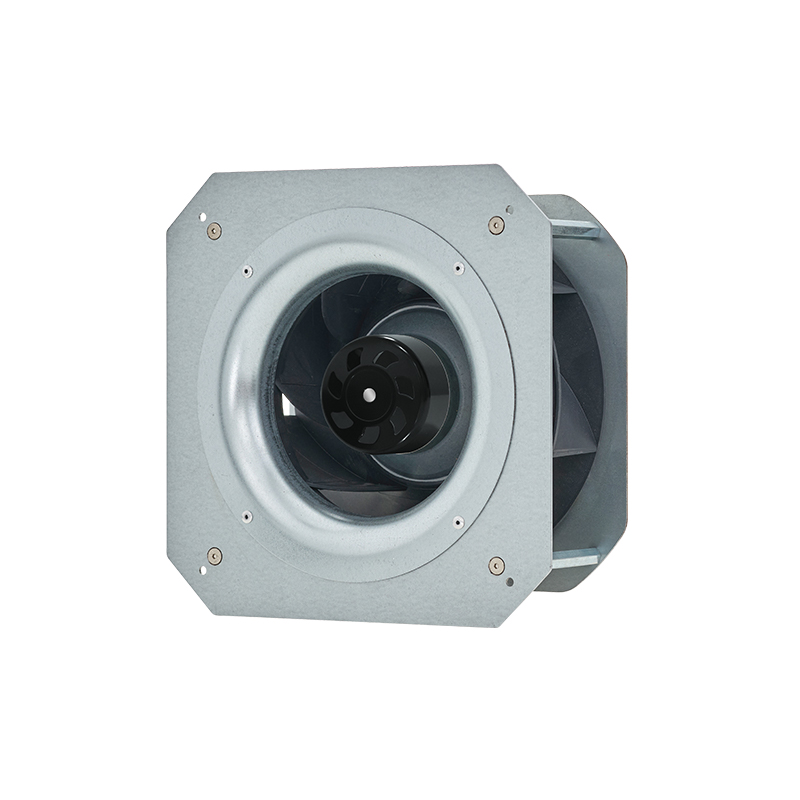
Continuous ventilation fans are designed to operate continuously, circulating fresh air throughout a building without interruption. These fans are perfect for maintaining a consistent airflow that ensures good air quality and moisture control at all times.
There are several types of continuous ventilation systems, including:
HRV systems are designed to provide continuous ventilation while conserving energy. They work by transferring heat between the incoming and outgoing air, ensuring that the building remains well-ventilated while minimizing energy loss. HRVs are ideal for buildings that require constant ventilation but also need to reduce heating or cooling costs.
ERVs function similarly to HRVs but also transfer humidity between incoming and outgoing air. This is particularly useful in buildings located in areas with high humidity levels, as it helps maintain a balanced humidity level indoors.
Mechanical ventilation systems use fans to circulate fresh air throughout a building. These fans can be installed in specific areas, such as the bathroom, kitchen, or attic, or they can be part of a larger whole-building ventilation system.
DCV systems monitor the air quality and adjust the ventilation rate accordingly. When air quality is low, such as when a large number of people are in a room or when cooking activities release pollutants, the system ramps up ventilation. When air quality is good, the system reduces airflow, optimizing energy use.
The primary role of continuous ventilation fans is to ensure that fresh air is constantly circulated within a building. Here’s how these systems contribute to overall building health:
Continuous ventilation systems provide uninterrupted airflow, preventing the stagnation of air. Without continuous airflow, pollutants can accumulate, leading to poor indoor air quality. A constant ventilation fan ensures that the air remains fresh, helping to keep the space healthy and comfortable for its occupants.
Modern continuous ventilation fans are designed to be energy-efficient, using variable speed motors or intelligent controls to adjust airflow depending on the building’s needs. This ensures that the system is only using energy when necessary, leading to lower energy consumption and reduced costs.
By circulating air continuously, these ventilation systems help regulate temperature and humidity, ensuring that conditions remain comfortable and that excess moisture does not accumulate in the building. This is especially beneficial in areas like bathrooms, kitchens, and basements where humidity levels can fluctuate dramatically.
Moisture is one of the most common causes of mold growth in buildings. Continuous ventilation helps reduce humidity levels, preventing the build-up of moisture that could lead to mold and mildew. This is particularly important in areas that are prone to moisture, such as kitchens and bathrooms.
Stale air in a building can lead to feelings of discomfort, headaches, fatigue, and other health issues. Continuous ventilation systems help prevent these issues by ensuring a steady supply of fresh air, which can enhance both comfort and overall health. Clean, fresh air can also reduce the risk of respiratory problems and allergies caused by dust, mold, and other pollutants.
When selecting a continuous ventilation fan, several factors should be taken into account to ensure that you choose the right solution for your building’s needs:
The airflow capacity is a critical factor in determining the effectiveness of the fan. It is important to choose a constant ventilation fan with sufficient capacity to circulate air efficiently throughout your building. The required airflow will depend on the size of the building, the number of occupants, and the types of activities that take place.
Consider the noise level of the fan, especially if it will be installed in noise-sensitive areas like offices, bedrooms, or meeting rooms. Opt for a fan that operates quietly, without creating disruptive noise for building occupants.
Choose fans that are energy-efficient, particularly if you plan to run them continuously. Look for EC motors or fans with variable speed controls that adjust airflow based on real-time conditions.
Some continuous ventilation fans are equipped with air filters to help remove dust, allergens, and other particles from the air. If air quality is a priority in your building, consider a fan with high-efficiency particulate air (HEPA) filters or carbon filters to further improve air quality.
Consider the ease of maintenance and serviceability of the ventilation fan. Look for systems with easy-to-remove filters and accessible fan components that make it easier to perform regular maintenance and ensure optimal performance.
Continuous ventilation is essential for maintaining healthy indoor air quality, especially in buildings that are constantly occupied or have high levels of humidity and pollutants. Whether you’re upgrading your existing system or installing a new one, choosing the right constant ventilation fan can help improve air circulation, enhance comfort, and ensure the health and safety of the building’s occupants.
At PBM, we offer a wide range of high-performance continuous ventilation solutions designed to meet the specific needs of residential, commercial, and industrial buildings. Our products are built with the latest energy-efficient technology and come with features like quiet operation, easy maintenance, and superior air quality control. Contact us today to learn more about how we can help you create a healthier, more comfortable living or working environment with our ventilation solutions.
 If you have any interest in our products,please feel free to contact us & we are ready to serve you

By continuing to use the site you agree to our privacy policy Terms and Conditions.