FOCUS ON EC FAN ONLY
FOCUS ON EC FAN ONLY
Cold storage and refrigeration systems play a vital role in preserving perishable goods across industries such as food, pharmaceuticals, and logistics. Effective ventilation is essential for maintaining optimal conditions in these systems, ensuring consistent temperature control, and preventing spoilage. Selecting the right ventilation fans for cold storage and refrigeration applications is crucial for achieving energy efficiency, prolonging equipment life, and ensuring proper airflow.
In this article, we’ll explore the importance of ventilation fans in cold storage and refrigeration systems, focusing on how to choose the right fans for energy efficiency and temperature control. We’ll also highlight the key factors to consider when selecting refrigeration fans for these applications.
Cold storage facilities rely on refrigeration systems to maintain low temperatures and preserve goods. However, simply cooling the air is not enough. Proper ventilation ensures uniform temperature distribution, preventing temperature fluctuations and creating a stable environment for stored products.
Ventilation fans in cold storage and refrigeration applications serve several critical functions:
Even Air Circulation: Proper ventilation helps distribute cool air evenly throughout the storage area. This prevents cold spots or areas that are not adequately cooled, ensuring uniform temperatures across the entire space.
Moisture Control: Cold storage areas are prone to moisture buildup, which can lead to ice formation, mold growth, and damage to products. Effective ventilation prevents excess moisture from accumulating and helps maintain the ideal humidity levels.
Energy Efficiency: Choosing the right fans ensures that refrigeration units work efficiently, which can reduce energy consumption. Fans help regulate the air movement and temperature inside the facility, minimizing the need for the refrigeration system to work harder than necessary.
Prevention of Odor and Contamination: Proper ventilation helps to circulate fresh air and remove stale air, preventing the buildup of odors that can compromise the quality of stored goods.
When selecting ventilation fans for cold storage and refrigeration, it's important to focus on specific factors that influence the performance, energy efficiency, and durability of the fans. Here are some essential considerations:
Cold storage and refrigeration systems consume significant amounts of energy, and ventilation fans play a key role in minimizing energy waste. Choosing energy-efficient fans can significantly lower operational costs.
Look for fans that feature EC (Electronically Commutated) motors, which are designed to consume less energy compared to traditional motors. EC motors also offer variable speed control, allowing the fan’s speed to adjust based on the needs of the environment. This ensures the fan operates at optimal efficiency, reducing energy consumption.
Benefits of Energy-Efficient Fans:
Lower Energy Bills: By reducing power consumption, energy-efficient fans help to lower electricity costs, making them an excellent investment for long-term savings.
Improved Environmental Impact: Lower energy consumption means fewer greenhouse gas emissions, contributing to a greener, more sustainable operation.
Reduced Heat Generation: Efficient fans generate less heat, which in turn helps the refrigeration units to maintain a stable internal temperature without overworking.
The airflow capacity of ventilation fans is critical for cold storage and refrigeration applications. The fan must be capable of moving sufficient air to maintain proper air circulation and prevent cold spots or stagnant air.
For cold storage areas, fans need to have high airflow rates (measured in CFM – cubic feet per minute) to ensure that the cold air is evenly distributed across the space. Proper airflow prevents hot spots where products could spoil and ensures consistent cooling.
Factors to Consider:
Fan Size: Ensure the fan’s airflow capacity is sufficient for the volume of the cold storage area. Too small a fan can lead to inadequate airflow, while a too-large fan can result in wasted energy and excessive air movement.
Fan Speed: Adjustable fan speeds allow you to fine-tune airflow as needed to meet specific requirements, improving both efficiency and control over the cooling process.
Cold storage environments are often exposed to high humidity levels, making it essential to select fans that are resistant to corrosion and moisture. Fans designed for refrigeration applications should be made from materials that can withstand cold temperatures and high moisture without deteriorating over time.
Materials to Look For:
Stainless Steel: Stainless steel is highly resistant to corrosion, making it an ideal material for refrigeration and cold storage fans.
IP-rated Protection: Ensure the fan has an IP (Ingress Protection) rating to indicate its resistance to dust and moisture. IP55-rated fans, for example, are suitable for wet environments and can be used in refrigeration applications.
While noise may not be the first thing that comes to mind in cold storage and refrigeration settings, fans that operate quietly can improve the working conditions for personnel and reduce disturbances in areas where noise is a concern.
Look for low-noise ventilation fans or fans designed with noise-reducing technology. These fans are ideal for areas where people work near refrigeration units and need to operate in a quieter environment.
Benefits of Low-Noise Fans:
Reduced Disruptions: Low-noise fans help maintain a peaceful working environment in cold storage areas, especially in settings like pharmaceutical storage or food production facilities.
Improved Worker Comfort: Workers in cold storage areas benefit from quieter equipment, leading to better concentration and efficiency.
Temperature stability and humidity control are paramount in cold storage and refrigeration. Fans play a crucial role in preventing condensation and excess moisture in the air, which can lead to mold growth, frost buildup, or product spoilage.
Choose fans that offer features like humidity sensors or thermostatic controls, which help maintain optimal conditions by adjusting airflow based on temperature or humidity levels. This ensures that the refrigeration system operates efficiently, maintaining a constant temperature.
Benefits of Temperature and Humidity Control:
Prevention of Frost Build-Up: Proper humidity control helps prevent ice formation on products and equipment, reducing maintenance costs.
Optimal Product Quality: By maintaining consistent temperature and humidity, you can extend the shelf life of perishable products and preserve their quality.
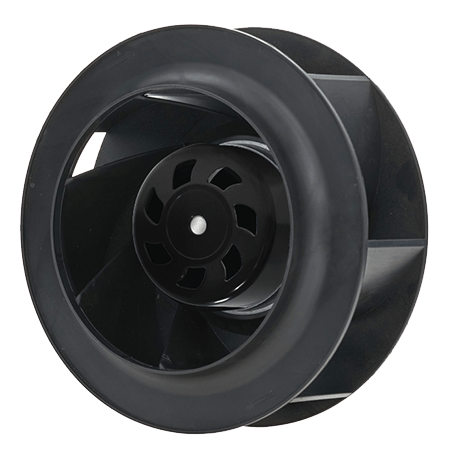
Centrifugal fans are commonly used in refrigeration and cold storage applications because of their high static pressure capabilities. These fans are perfect for areas with high resistance, such as ductwork and tight spaces. They are highly effective in circulating air and maintaining stable conditions in cold storage rooms.
Axial fans are another popular choice for cold storage and refrigeration applications. These fans are efficient at moving large volumes of air with relatively low static pressure. They are ideal for areas where space is less constrained and where a larger, less powerful fan is needed for continuous air circulation.
Inline fans are often used in ducted ventilation systems, helping to maintain airflow through long or narrow ducts. These fans provide efficient airflow and can be easily installed within the ventilation system to ensure that the cold storage area is properly ventilated.
Choosing the right ventilation fans for cold storage and refrigeration applications is essential to maintain optimal temperature and humidity control, prevent moisture buildup, and reduce energy consumption. By focusing on energy efficiency, proper airflow, durability, and noise reduction, you can ensure your cold storage system runs smoothly while keeping operating costs low.
At PBM, we offer high-performance cold storage ventilation fans and refrigeration fans designed to meet the demanding needs of industrial and commercial refrigeration applications. Our fans are built to provide superior airflow, energy efficiency, and durability, making them an excellent choice for cold storage facilities.
By selecting the right fans for your refrigeration needs, you’ll not only improve product quality and storage conditions but also reduce energy consumption and lower operational costs in the long term.
 If you have any interest in our products,please feel free to contact us & we are ready to serve you

By continuing to use the site you agree to our privacy policy Terms and Conditions.