FOCUS ON EC FAN ONLY
FOCUS ON EC FAN ONLY
In modern data centers and IT environments, maintaining optimal temperature levels is crucial for ensuring the efficiency, reliability, and longevity of IT equipment. As computing power continues to increase, so does the heat generated by servers, computers, and other electronics. Without effective ventilation, this heat can cause equipment failures, performance issues, and reduced lifespan. One of the most effective solutions for this problem is the installation of IT equipment ventilation fans.
In this article, we will discuss the importance of proper ventilation in IT environments, how it helps in maintaining optimal temperature levels, and the role of computer room ventilation fans in improving equipment efficiency and reliability.
IT equipment, including servers, networking devices, and storage systems, generates a significant amount of heat during operation. This heat, if not efficiently removed, can cause various problems, including:
Overheating: When temperatures rise above the recommended levels, IT equipment can overheat, leading to performance degradation or shutdowns.
Component Failure: Prolonged exposure to high temperatures can cause the internal components of IT equipment to fail. In extreme cases, it can lead to permanent damage, resulting in costly repairs or replacements.
Reduced Equipment Lifespan: Constant exposure to elevated temperatures can reduce the lifespan of sensitive IT components, such as processors, hard drives, and circuit boards, leading to more frequent replacements and increased maintenance costs.
Increased Energy Consumption: Inefficient cooling systems lead to higher energy consumption as servers and other equipment work harder to maintain optimal performance in hot environments.
Ventilation fans are an essential component of any IT cooling system. Their primary role is to improve airflow, ensuring that hot air is effectively removed and replaced with cooler air. This helps to regulate temperature, prevent hotspots, and ensure that IT equipment remains within its optimal operating range.
The most crucial function of IT equipment ventilation fans is to maintain consistent airflow throughout the server room or data center. Fans circulate air to distribute cool air to areas where heat is concentrated, while also exhausting hot air out of the room. By maintaining proper airflow, these fans help regulate the temperature and avoid hotspots, preventing equipment from overheating.
Key Benefits of Improved Airflow:
Uniform Cooling: Proper airflow ensures that all equipment receives consistent cooling, preventing overheating in specific areas.
Energy Savings: Proper airflow reduces the workload on air conditioning units, improving overall energy efficiency.
IT equipment generates a large amount of heat, requiring constant cooling to prevent performance issues. Traditionally, air conditioning (AC) systems are used to cool data centers, but they can be energy-intensive and costly to operate.
By integrating computer room ventilation fans into the cooling system, you can reduce the reliance on AC units, allowing the fans to circulate cool air more efficiently. Modern ventilation fans are designed with energy efficiency in mind, using EC motors (Electronically Commutated) that consume less power while providing superior airflow. This results in lower electricity bills and a more sustainable cooling solution.
Benefits of Energy-Efficient Ventilation:
Lower Operating Costs: By reducing the need for traditional air conditioning, you can lower the energy costs associated with cooling IT equipment.
Reduced Carbon Footprint: Energy-efficient fans contribute to reducing the environmental impact of data centers and IT operations.
In addition to temperature control, humidity levels also play a critical role in the performance and reliability of IT equipment. Excessive humidity can lead to condensation inside IT equipment, potentially causing short circuits and other forms of damage. On the other hand, low humidity levels can cause static electricity buildup, which may also damage sensitive components.
Ventilation fans help in regulating both temperature and humidity by circulating air, reducing the chance of moisture buildup, and ensuring optimal humidity levels for IT equipment.
Key Benefits of Humidity Control:
Prevents Moisture Buildup: Proper ventilation helps maintain stable humidity levels, preventing condensation in equipment.
Protects Against Static Electricity: Ensures that the environment is neither too dry nor too humid, reducing the risk of static electricity that can damage sensitive components.
When selecting ventilation fans for IT equipment, it's essential to choose the right type of fan that matches the specific needs of your environment. There are several types of fans commonly used in data centers and IT environments:
Axial fans are designed to move air along the axis of the fan, providing a high volume of airflow with relatively low pressure. They are ideal for use in data centers where large volumes of air need to be moved to maintain cooling. Axial fans are typically used to provide general air circulation and are often mounted on walls or ceilings for maximum efficiency.
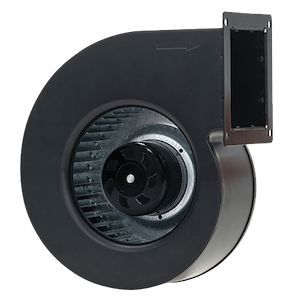
Centrifugal fans are more effective at moving air through ducts and other confined spaces. These fans provide higher pressure, making them suitable for systems that require airflow through long ducts or spaces with high resistance. They are often used in combination with other cooling systems in data centers for their ability to handle high airflow demands.
Inline fans are typically used in ventilation systems where space is limited or where the airflow needs to be directed through ductwork. These fans are mounted within the ducts, and they help maintain continuous airflow throughout the server room, ensuring that no area is left without proper cooling.
Selecting the right IT equipment ventilation fan is essential for achieving optimal temperature and humidity control in your data center or server room. Here are some factors to consider when choosing a fan:
The airflow capacity of the fan, measured in CFM (cubic feet per minute), determines how much air the fan can circulate. The higher the CFM, the more air the fan can move, which is important for cooling larger spaces. Make sure to calculate the airflow requirements for your room size and the amount of heat generated by your equipment.
In data centers, where equipment is typically housed in larger, open spaces, noise can be a significant factor. Opt for low-noise ventilation fans that operate quietly to ensure a comfortable working environment. Noise-reducing fans can help reduce distractions for workers and operators.
IT equipment ventilation fans should be reliable and durable, with low maintenance requirements. Look for fans made from high-quality materials like stainless steel or corrosion-resistant alloys to ensure long-lasting performance, even in harsh environments. Additionally, fans with EC motors tend to be more durable and require less maintenance compared to traditional fans.
Proper ventilation is essential for improving IT equipment efficiency in data centers and server rooms. By selecting the right IT equipment ventilation fans, you can maintain optimal temperature and humidity levels, reduce energy consumption, and improve the overall performance and lifespan of your IT equipment.
At PBM, we offer a range of high-quality computer room ventilation fans designed to meet the specific cooling needs of your IT environment. Our fans are built for energy efficiency, low maintenance, and superior performance, ensuring that your equipment remains reliable and efficient over time.
By investing in proper ventilation, you’ll not only improve the efficiency of your IT equipment but also save on energy costs and reduce the risk of costly failures, ensuring the smooth operation of your IT infrastructure.
 If you have any interest in our products,please feel free to contact us & we are ready to serve you

By continuing to use the site you agree to our privacy policy Terms and Conditions.