FOCUS ON EC FAN ONLY
FOCUS ON EC FAN ONLY
The kitchen is often the heart of the home, but it can also become a space filled with unwanted odors, smoke, and moisture. A proper kitchen ventilation system is essential to maintain air quality, ensure comfort, and keep your home safe from grease buildup and humidity. Selecting the right kitchen ventilation fan is crucial for removing smoke, odors, and excess heat, ensuring a healthy and pleasant cooking environment. This guide will help you understand the factors to consider when choosing the best kitchen ventilation fans for your kitchen exhaust system.
Effective kitchen ventilation is necessary to control indoor air quality, especially in spaces where cooking processes like frying, grilling, and baking are regularly carried out. Kitchen exhaust fans play a pivotal role in removing the following:
Cooking Odors: Frying, grilling, or roasting often produce lingering smells that can spread throughout the home. A good exhaust fan eliminates these odors, keeping your living space fresh.
Smoke and Fumes: Whether from sizzling food or overheating pots, smoke and fumes need to be quickly vented outside to avoid contamination of the indoor air.
Excess Heat and Humidity: Cooking generates heat and moisture, which, over time, can lead to discomfort and the potential growth of mold or mildew. A ventilation fan helps expel this unwanted heat and humidity.
Grease Build-Up: Kitchen fans can help reduce the accumulation of grease on surfaces, preventing damage to your walls, cabinets, and other kitchen elements.
Selecting the right kitchen ventilation fan requires consideration of various factors to ensure you choose the most efficient fan for your kitchen. Here are some important elements to keep in mind:
Airflow Capacity (CFM)
CFM (Cubic Feet per Minute) indicates how much air the fan can move per minute. The higher the CFM, the more effective the fan will be in venting air out of your kitchen.
For most kitchens, a fan with a CFM between 200 and 400 should be sufficient, but larger kitchens or those with heavy cooking tasks may require a fan with a higher CFM rating.
Noise Level
A quieter fan can make a significant difference in your kitchen experience. Kitchen fans with low noise levels (measured in decibels, or dB) ensure that you enjoy a peaceful cooking environment. Typically, fans with noise levels below 60 dB are considered relatively quiet. Consider models like low-profile fans or brushless motor fans for quieter operation.
Efficiency and Energy Use
Kitchen ventilation fans should be energy-efficient to help reduce electricity consumption over time. Fans with Electronically Commutated (EC) motors are known for their energy-saving capabilities. These fans adjust their speed based on the airflow requirements, offering optimal performance without wasting energy.
Design and Placement
Wall-Mounted Fans: These are popular for kitchens with limited ceiling space. Wall-mounted kitchen exhaust fans work effectively by venting air through the walls.
Ceiling-Mounted Fans: Often preferred for larger kitchens, ceiling-mounted exhaust fans allow for a more widespread ventilation system.
Under-Cabinet Fans: These fans are placed under kitchen cabinets, often integrated into range hoods, and are ideal for direct cooking areas where high airflow is needed.
Type of Ventilation Fan
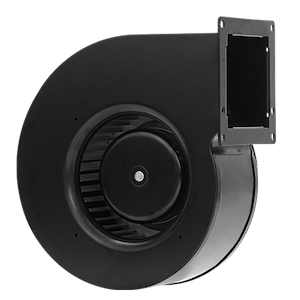
Centrifugal Fans: Centrifugal fans(Backward Curved Centrifugal Fan, Forward Curved Centrifugal Fan) are great for kitchen exhaust systems as they can handle high volumes of air and work efficiently in removing smoke, steam, and grease from the air.
Axial Fans: If you are looking for a fan that can handle more focused areas of the kitchen, axial fans may be a better option. They can be used in smaller kitchens or specific areas where you need more localized ventilation.
Fan Location
Range Hoods: Range hoods are a popular solution for kitchen ventilation, as they combine a fan and a filter system in one. They can be ducted (venting air to the outside) or ductless (circulating air back into the room after filtering it).
Ducted Fans: These fans connect to external ducting, which vents air directly outside. Ducted fans are more effective in ensuring the removal of odors, smoke, and humidity, making them ideal for kitchens that regularly experience heavy cooking.
At PBM, we offer a range of kitchen ventilation fans designed for high efficiency, low noise, and optimal performance. Whether you need an under-cabinet fan or a larger centrifugal fan for a commercial-grade kitchen, we have options that suit various requirements. Here are a few of our top solutions:
Centrifugal Fans with Support Bracket: These fans are perfect for larger kitchens that require higher airflow and efficiency in removing smoke and odors. With a built-in support bracket, they are easy to install and operate with minimal maintenance.
Axial Fans: Compact and highly effective, our axial fans are ideal for smaller kitchen exhaust systems where space is limited but high ventilation power is needed.
Low Profile Ventilation Fans: Designed for quiet operation, these low-profile fans are perfect for residential kitchens where noise reduction is essential. They provide excellent airflow while operating at whisper-quiet levels.
Dual Inlet Blowers: These versatile fans are perfect for kitchens where air needs to be vented from two different sources. Their robust design makes them suitable for handling both air and moisture removal in large or commercial kitchens.
To keep your kitchen ventilation fan running smoothly, regular maintenance is necessary. Here are some tips to ensure the longevity and efficiency of your fan:
Clean the Filters Regularly: Grease and dirt buildup can reduce the fan’s efficiency and increase noise. Clean or replace the filters regularly to ensure that your fan continues to operate at peak performance.
Check the Fan Blades: Dust and grease can accumulate on fan blades, causing them to work harder and become noisy. Make sure the blades are clean and free of obstructions.
Inspect the Ducts: Ensure the ducts are free from blockages, such as grease buildup or debris, as this can cause airflow restrictions and reduce the effectiveness of the fan.
Lubricate the Motor: If your fan uses a traditional motor, it’s essential to lubricate the motor periodically to prevent wear and tear.
Choosing the right kitchen ventilation fan is essential for creating a clean, odor-free cooking environment while maintaining optimal air quality. Whether you're in a residential kitchen, a commercial setting, or a large industrial kitchen, it’s important to prioritize factors like airflow capacity, energy efficiency, noise level, and ease of maintenance. At PBM, we offer a variety of high-performance kitchen ventilation fans designed to meet diverse needs while providing superior air purification and comfort. With the right fan, you can enjoy a healthier and more pleasant kitchen environment every day.
 If you have any interest in our products,please feel free to contact us & we are ready to serve you

By continuing to use the site you agree to our privacy policy Terms and Conditions.