FOCUS ON EC FAN ONLY
FOCUS ON EC FAN ONLY
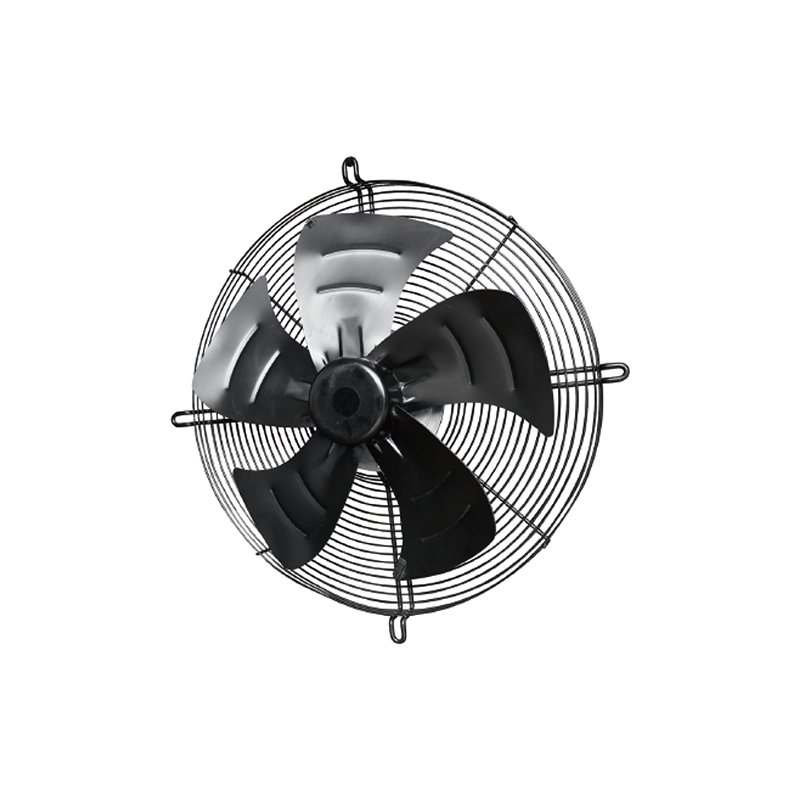
Axial fans are widely used across various industries for their efficiency in moving large volumes of air. They are particularly valued for their ability to provide high airflow with low resistance, making them ideal for a range of industrial applications. In this article, we will explore how axial fans are used in specific industries like cooling towers, marine environments, and air conditioning systems. We will also discuss the unique requirements each of these sectors places on axial fan performance and design.
Cooling towers are crucial components in many industrial and power generation processes, as they help remove heat from systems such as boilers, compressors, and heat exchangers. Axial fans are often used in cooling towers due to their high-efficiency airflow capabilities, which are necessary for moving large volumes of hot air away from the system.
High Airflow Capacity: Cooling towers often require massive airflow to efficiently dissipate heat. Axial fans are capable of moving large amounts of air with low resistance, which is essential for this application.
Corrosion Resistance: Cooling towers are exposed to high levels of humidity and harsh environmental conditions, making it crucial to select axial fans that are resistant to corrosion. Fans with materials like stainless steel or coated components are commonly used to withstand exposure to water, chemicals, and other corrosive elements.
Durability: Cooling towers often operate continuously for long periods, so durability and reliability are essential. The fans must be built to handle heavy-duty operations and high temperatures, ensuring that they provide efficient cooling over the long term.
Energy Efficiency: Since cooling towers run around the clock in many cases, energy efficiency is a primary consideration. Modern axial fans equipped with energy-efficient motors can help minimize operational costs while ensuring maximum airflow.
Marine environments, including ships, submarines, and offshore platforms, require specialized ventilation systems to ensure the safety, comfort, and efficiency of operations. Marine axial fans play a critical role in providing adequate ventilation for engine rooms, cargo holds, accommodation areas, and ventilation for exhaust systems.
Corrosion Resistance: The maritime environment is highly corrosive, with saltwater, humidity, and extreme weather conditions posing significant challenges. Marine axial fans are typically constructed using corrosion-resistant materials like aluminum, stainless steel, or specially coated components to withstand the harsh conditions at sea.
Explosion-Proof Features: In certain applications, such as in engine rooms or fuel areas, fans may need to meet strict explosion-proof standards. These fans are designed to operate safely in hazardous environments, preventing sparks that could ignite flammable gases.
Compact Design: Space is often limited on ships and offshore platforms. Axial fans used in marine applications are typically designed to be compact and lightweight, allowing for easy installation in tight spaces without compromising on performance.
High Reliability: Marine operations depend on the reliability of all onboard equipment. Axial fans used on ships must be capable of operating 24/7 under various conditions without failure. This requires highly durable motors and fan blades designed to endure vibration, moisture, and temperature changes.
In air conditioning systems, axial fans are widely used to circulate air through ducts and ensure consistent airflow across air handling units (AHUs) and condenser units. These fans are ideal for air conditioning systems due to their ability to deliver high-volume airflow with low power consumption.
High Efficiency: For air conditioning systems, energy efficiency is a primary concern. Fans must move air effectively while using the least amount of energy possible to reduce the system’s overall power consumption. Fans with high-efficiency motors and aerodynamic blades are preferred to minimize energy use.
Low Noise Levels: In air conditioning systems, especially in residential or office applications, noise reduction is crucial. Axial fans used in HVAC systems should be designed to operate quietly, especially when they are running in enclosed spaces where noise can become a major issue.
Temperature Control: In air conditioning units, axial fans help regulate temperature by ensuring that cool or warm air is effectively distributed throughout a building. The fan must be able to work efficiently at varying loads to maintain the desired temperature and airflow balance.
Adaptability: Air conditioning systems come in various types, including central systems, ductless systems, and packaged units. The axial fans used in these applications must be adaptable to different designs and capable of meeting the specific airflow and pressure requirements of each system.
While axial fans share many similarities across various industries, each sector has specific requirements that make their use unique. Below is a brief comparison of axial fan needs across cooling towers, marine, and air conditioning:
| Industry | Key Focus | Special Requirements |
|---|---|---|
| Cooling Towers | High airflow and heat dissipation | Corrosion resistance, energy efficiency, durability |
| Marine | Ventilation for confined spaces | Corrosion resistance, explosion-proof features, compactness |
| Air Conditioning | High-volume airflow for temperature control | Energy efficiency, low noise levels, adaptability |
Axial fans are indispensable in a wide range of industries, including cooling towers, marine environments, and air conditioning systems. In each application, axial fans must meet unique requirements such as high airflow, durability, energy efficiency, and resistance to environmental factors. Understanding these specific needs helps industries select the right fan for the job, ensuring long-term performance, energy savings, and safety.
Whether cooling large-scale industrial processes, ventilating confined spaces on ships, or maintaining comfort in air-conditioned spaces, axial fans provide an efficient, reliable solution. Selecting the right fan for the job and ensuring it meets industry-specific requirements is key to optimizing performance and minimizing operational costs.
 If you have any interest in our products,please feel free to contact us & we are ready to serve you

By continuing to use the site you agree to our privacy policy Terms and Conditions.