FOCUS ON EC FAN ONLY
FOCUS ON EC FAN ONLY
Moisture buildup under a building can lead to a host of problems, from structural damage to mold growth and indoor air quality issues. Proper subfloor ventilation is crucial in mitigating these risks, and one of the most effective ways to ensure adequate airflow beneath your home or building is through the use of subfloor ventilation fans. These fans help keep moisture levels under control, preventing damage to your property and enhancing the overall indoor environment. In this article, we'll explore the role of subfloor ventilation fans in preventing moisture damage, mold growth, and structural issues.
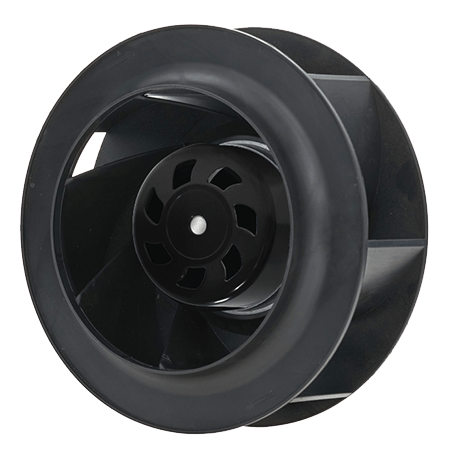
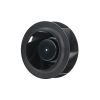
A subfloor ventilation fan is a fan system designed to improve airflow under a building, typically in the crawl space or basement area. It works by pushing or pulling air into the subfloor area, expelling moisture-laden air, and promoting dry conditions. This ventilation helps prevent dampness, which can lead to mold, mildew, and even wood rot.
Subfloor ventilation fans are often installed in conjunction with ventilation ducts or vents, creating a continuous airflow system that allows fresh air to enter while pushing stale, moist air out. These fans are typically powered by electricity and can be equipped with humidity sensors or thermostats for optimal control.
Proper ventilation under a building is essential for several reasons. Moisture buildup in subfloors is a common issue in homes, especially those in humid climates or near bodies of water. When moisture accumulates under a structure, it can result in a number of serious problems, including:
Moist environments are the perfect breeding ground for mold and mildew, which can thrive in damp subfloor areas. Once mold begins to grow, it can spread to the rest of the building, compromising the indoor air quality and potentially leading to health issues like allergies and respiratory problems. Subfloor ventilation fans help eliminate the excess moisture, reducing the conditions that foster mold and mildew growth.
Excess moisture can also weaken the structure of your building. Wooden beams, flooring, and other materials can absorb moisture, leading to wood rot and deterioration. Over time, this can weaken the foundation and cause costly repairs. By ensuring consistent airflow and drying out the space, subfloor ventilation fans help maintain the structural integrity of the building.
Poor air circulation under a building can also affect the indoor air quality of the living space. As moisture evaporates from the subfloor, it can increase the humidity levels inside the home, contributing to damp, musty smells and the growth of allergens. Subfloor ventilation fans help prevent this by reducing the moisture content in the subfloor, keeping the air inside your home fresher and healthier.
In addition to moisture, pests like termites and rodents are often attracted to damp, dark environments under buildings. These pests can damage the structure and create additional problems for homeowners. Proper ventilation helps reduce the likelihood of pest infestations by drying out the area and making it less hospitable to these unwanted guests.
Subfloor ventilation fans are typically installed in areas where there is limited natural airflow, such as under wooden floors or in crawl spaces. These areas are often prone to moisture accumulation due to limited ventilation. Here’s how the fans work:
Subfloor fans create an air exchange system that pushes moist air out and pulls fresh air in. This continuous circulation reduces humidity levels and keeps the subfloor dry. The fans are typically designed to run quietly and efficiently, ensuring that they don’t disrupt the living conditions inside the building while still providing effective ventilation.
Some subfloor ventilation fans come equipped with built-in humidity sensors or thermostats that automatically adjust the fan speed or turn the fan on and off based on the moisture levels or temperature in the space. This ensures that the fan only operates when necessary, saving energy and providing a more controlled environment under the building.
By expelling moist air and bringing in drier, cooler air, subfloor fans prevent excess moisture from settling and accumulating in the subfloor. This is particularly useful in climates with high humidity or where rainfall is frequent. Additionally, the fans can help dry out any standing water that may have accumulated under the building.
There are several signs that your building may need subfloor ventilation fans to address moisture buildup:
Musty Odors: A persistent musty smell in your home, especially in the basement or lower floors, can be a sign that moisture is present under the building.
Condensation: Condensation on windows, walls, or pipes can indicate excess humidity caused by poor subfloor ventilation.
Visible Mold or Mildew: If you notice mold or mildew growth on walls or floors, it could be a result of damp conditions under the building.
Wood Rot or Damp Floors: If you detect soft, spongy, or discolored wooden floors, this may indicate wood rot due to prolonged moisture exposure in the subfloor.
Pest Infestation: Damp subfloor areas are more likely to attract pests like termites, rodents, and insects, which can cause further damage.
The primary benefit of subfloor ventilation fans is the reduction of moisture buildup under the building. By ensuring proper airflow, these fans keep moisture levels in check, preventing long-term damage and health issues.
While installing subfloor ventilation fans may require an initial investment, it can help you avoid costly repairs in the future. By preventing mold, mildew, and wood rot, you can save money on restoration and pest control.
With consistent airflow under the building, you can enjoy better indoor air quality throughout the home. Subfloor ventilation fans help eliminate musty odors and reduce humidity levels, creating a healthier, more comfortable living environment.
Many modern subfloor ventilation fans are designed to be energy-efficient. With features such as automatic humidity sensors and thermostats, these fans only operate when needed, helping to reduce electricity costs while maintaining optimal moisture control.
When selecting a subfloor ventilation fan, it’s important to consider the size of the space, the moisture levels in the area, and the type of ventilation needed. Look for fans that are durable, energy-efficient, and easy to maintain. You may also want to consider a fan with built-in humidity sensors for automatic operation.
Some recommended features to look for include:
Corrosion-resistant materials: This ensures the fan can withstand the damp, sometimes harsh, environment under the building.
Energy-efficient motors: Look for fans that operate quietly and consume minimal energy.
Easy installation and maintenance: Choose fans that are easy to install and maintain to ensure long-term performance.
Subfloor ventilation fans play a vital role in preventing moisture damage, mold growth, and structural issues in buildings. By ensuring proper airflow and moisture control under your home, these fans help maintain a healthier, safer, and more comfortable environment. Whether you’re dealing with a damp crawl space, a basement, or a particularly humid climate, installing the right subfloor ventilation fan can save you from costly repairs and improve your indoor air quality.
 If you have any interest in our products,please feel free to contact us & we are ready to serve you

By continuing to use the site you agree to our privacy policy Terms and Conditions.