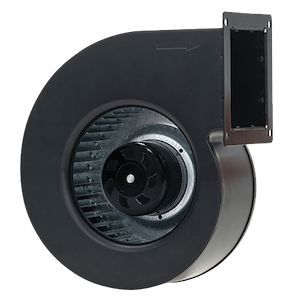
FOCUS ON EC FAN ONLY
FOCUS ON EC FAN ONLY
Proper airflow and temperature control are essential in maintaining comfort in various environments, whether at home, in the office, or in industrial settings. Thermostat-controlled ventilation fans are a smart and efficient solution for managing these factors, ensuring that your space remains comfortable year-round. In this article, we'll explore the benefits of thermostat-controlled ventilation fans and how they can help regulate temperature and airflow to maintain consistent comfort levels.
A thermostat-controlled ventilation fan is a fan that operates based on temperature settings. It is designed to automatically adjust its speed or turn on/off depending on the temperature of the space it is installed in. These fans help to regulate the temperature and provide consistent airflow without requiring manual control, making them an energy-efficient option for various applications.
There are several key advantages to using temperature-controlled ventilation fans:
One of the primary benefits of thermostat-controlled fans is their energy efficiency. These fans only operate when needed, turning on when the temperature reaches a certain threshold and turning off once the desired temperature is achieved. This helps to avoid running the fan continuously, reducing energy consumption and lowering utility bills. By using a fan that adjusts based on temperature, you can ensure that it’s only working when necessary, optimizing energy use.
Thermostat-controlled fans are designed to maintain a consistent level of comfort in the space. Whether you’re in a home, office, or warehouse, these fans help ensure that the air circulation is constantly adjusted based on the temperature. This means that the room will remain at a steady, comfortable temperature, without hot or cold spots.
For example, in a kitchen, a thermostat-controlled fan can help remove excess heat and moisture, especially after cooking. In an office, it ensures that the air remains fresh and cool throughout the day. By keeping the environment at a comfortable temperature, these fans contribute to a healthier and more productive atmosphere.
Thermostat-controlled ventilation fans help to improve indoor air quality by ensuring continuous airflow. This is particularly important in areas where humidity or stagnant air can build up, such as bathrooms, kitchens, or industrial spaces. By controlling the temperature, these fans help prevent the growth of mold and mildew, ensuring the air stays clean and healthy.
With a temperature-controlled ventilation fan, you no longer need to manually adjust the settings. These fans automatically activate when the temperature exceeds or drops below a set point, meaning there’s no need to worry about manually turning the fan on or off. This convenience makes them ideal for areas where constant monitoring and adjustment would be impractical, such as in attics, warehouses, or server rooms.
Since thermostat-controlled fans operate more efficiently, they tend to experience less wear and tear compared to continuously running fans. These fans only operate when required, leading to a longer lifespan. Additionally, some thermostat-controlled fans come with built-in features like automatic shut-off, which reduces the risk of overheating and extends the life of the fan.
Thermostat-controlled fans can be used in various environments where temperature and airflow need to be regulated. Below are some of the common applications:
In homes, temperature-controlled ventilation fans are ideal for bathrooms, attics, and basements where humidity levels tend to fluctuate. These fans help prevent moisture buildup, reduce the risk of mold growth, and ensure that the air remains fresh. For example, after a hot shower, the fan will turn on to remove excess humidity, and then turn off once the humidity levels return to normal.
In offices or commercial spaces, maintaining a comfortable temperature is essential for employee productivity and well-being. Thermostat-controlled fans can provide consistent airflow and cooling, helping to create an optimal work environment. They are particularly useful in spaces with variable temperatures, ensuring that all areas are adequately ventilated without unnecessary energy consumption.
In industrial settings and warehouses, temperature-controlled ventilation fans help regulate the temperature in large spaces where the temperature can vary dramatically. These fans are crucial for ensuring consistent airflow, preventing heat buildup, and keeping equipment and workers comfortable. They are commonly used in server rooms to prevent overheating of IT equipment and in workshops to remove fumes or smoke generated from machines.
In greenhouses, maintaining a stable temperature is crucial for the health of plants. Thermostat-controlled fans help manage temperature fluctuations and ensure that the greenhouse is adequately ventilated, promoting healthy plant growth. These fans can be used in combination with solar-powered systems for eco-friendly energy savings.
When selecting a thermostat-controlled ventilation fan, there are several factors to consider:
The size of the space you need to ventilate will determine the airflow capacity (measured in CFM – cubic feet per minute) needed for the fan. Larger spaces will require fans with higher CFM ratings to ensure that the airflow is sufficient to maintain a comfortable environment.
Make sure to select a temperature-controlled fan that allows you to set the desired temperature range. Some models allow for more precise adjustments, while others may have more basic on/off settings. Choose one that suits the specific needs of your environment.
The noise level of the fan is an important consideration, especially in residential or office environments. Look for fans with a low Sone rating for quieter operation, as noisy fans can become a distraction.
Choose fans that are energy-efficient to reduce long-term costs. Look for Energy Star rated products, which ensure the fan consumes less power without compromising performance.
Consider the ease of installation and maintenance. Fans that are easy to install and maintain will save time and reduce costs in the long run. Look for models that come with clear instructions and have accessible parts for cleaning and maintenance.
Here are a few highly recommended temperature-controlled ventilation fans:
Features: Quiet operation, adjustable temperature range, and energy-efficient. Ideal for bathrooms and smaller office spaces.
Benefits: Helps maintain ideal temperature and humidity levels while reducing energy consumption.
Features: Built-in thermostat with adjustable settings, energy-efficient, and low noise.
Benefits: Excellent for use in larger spaces, such as industrial areas or kitchens, where temperature control is vital.
Features: Easy to install, adjustable temperature settings, and ideal for use in basements or workshops.
Benefits: Provides excellent air circulation and temperature regulation with minimal energy usage.
Thermostat-controlled ventilation fans are a practical and energy-efficient solution for maintaining optimal comfort in various environments. By regulating airflow and temperature automatically, these fans help improve air quality, prevent humidity buildup, and provide consistent comfort without the need for manual control. Whether you’re looking to enhance your home’s bathroom, maintain a comfortable office environment, or regulate temperature in industrial spaces, thermostat-controlled fans offer a smart way to improve ventilation while saving energy.
By selecting the right fan based on size, energy efficiency, and noise levels, you can ensure that your space remains comfortable, productive, and healthy year-round.
 If you have any interest in our products,please feel free to contact us & we are ready to serve you

By continuing to use the site you agree to our privacy policy Terms and Conditions.